

Need A Florida Theme Park Rain Guide?
You’ve spent months planning your Florida theme park vacation. The hotel is booked, the park tickets are purchased, and your itinerary is packed with must-do attractions. Then you check the forecast and see those dreaded afternoon thunderstorms.
Before you panic, here’s some good news: rain is a normal part of life in Florida, especially between May and October. In fact, experienced theme park visitors know that a rainy day can sometimes be one of the best times to visit.
Lower crowds, shorter wait times, and cooler temperatures can actually work in your favor—if you know how to prepare.
This Florida Theme Park Rain Guide covers everything you need to know about navigating rainy weather at Disney World, Universal Orlando, SeaWorld Orlando, and Busch Gardens Tampa.

When Does It Rain Most at Florida Theme Parks?
Florida’s rainy season typically runs from May through October, with afternoon thunderstorms being the most common weather event.
☔Typical Rain Pattern
- Morning: Sunny and humid
- Afternoon (2 PM–6 PM): Thunderstorms develop
- Evening: Storms usually move out quickly
Most Florida rain showers last between 30 minutes and 2 hours. While severe weather occasionally occurs, many storms pass quickly enough that they only interrupt a small portion of your park day.
Monthly Rainfall Breakdown for Orlando
One of the biggest mistakes visitors make is assuming Florida experiences all-day rain. In reality, most rain falls in short but intense afternoon thunderstorms, especially during the summer months. This Florida Theme Park Rain Guide can help you understand Orlando’s weather patterns, choose the best time to visit, and prepare for potential storms before they impact your vacation.
☔January
Average Rainfall: 2.3 inches
January is one of the driest months of the year. Expect mild temperatures, lower humidity, and fewer weather-related ride closures. This is one of the best months for visitors who want comfortable touring conditions.
☔February
Average Rainfall: 2.4 inches
February remains relatively dry with cool mornings and pleasant afternoons. Rain is uncommon and usually brief.
☔March
Average Rainfall: 3.2 inches
Spring begins to warm up, but rainfall remains manageable. March is a popular time for spring break visitors and offers excellent weather for outdoor attractions.
☔April
Average Rainfall: 2.4 inches
April is one of Orlando’s most comfortable months. Expect warm temperatures, lower humidity, and minimal rain interruptions.
☔May
Average Rainfall: 3.7 inches
Rainy season begins to develop. Afternoon thunderstorms become more common, though they are usually short-lived. If you’re visiting in May, plan outdoor rides earlier in the day.
☔June
Average Rainfall: 7.7 inches
June marks the official start of Florida’s rainy season. Daily afternoon thunderstorms are common, but they often last less than an hour. Crowds are typically higher due to summer vacation.

☔July
Average Rainfall: 7.8 inches
July is one of Orlando’s wettest months. Expect hot temperatures, high humidity, and frequent afternoon storms. However, mornings are often sunny and ideal for touring.
☔August
Average Rainfall: 7.5 inches
August combines intense heat with regular thunderstorms. While rain is common, it rarely lasts all day. Pack lightweight rain gear and stay hydrated.
☔September
Average Rainfall: 6.9 inches
September remains wet but often sees lower crowd levels after Labor Day. This month also falls within the peak of hurricane season, making travel insurance worth considering.
☔October
Average Rainfall: 4.2 inches
Rainfall begins to decrease, humidity drops, and temperatures become more comfortable. October is one of the best months to visit Florida theme parks.
☔November
Average Rainfall: 2.3 inches
November is generally dry and pleasant. Cooler temperatures and lower humidity make it a favorite month for many repeat visitors.
☔December
Average Rainfall: 2.4 inches
December offers some of Orlando’s driest weather. While occasional cold fronts may move through, prolonged rain is uncommon.
Understanding Florida Hurricane Season
Many travelers worry about visiting Florida during hurricane season, but it’s important to understand what that actually means. If you’re planning a summer vacation, this Florida Theme Park Rain Guide will help you navigate both afternoon thunderstorms and hurricane season with confidence.
⛈️When Is Hurricane Season?
Florida’s hurricane season officially runs from June 1 through November 30, with activity typically peaking between mid-August and mid-October.
⛈️Should You Avoid Orlando During Hurricane Season?
Not necessarily.
Orlando is located inland, which means it is generally less vulnerable to direct hurricane impacts than Florida’s coastal destinations. Most visitors traveling during hurricane season will experience nothing more than occasional thunderstorms.
However, tropical systems can sometimes bring:
- Heavy rain
- Strong winds
- Flight delays
- Temporary attraction closures
- Modified park operating hours
⛈️What Happens If a Hurricane Threatens Orlando?
Theme parks closely monitor weather conditions and prioritize guest safety.
Depending on the severity of the storm, parks may:
- Adjust operating hours
- Cancel outdoor entertainment
- Suspend select attractions
- Temporarily close if necessary
Fortunately, full-day park closures due to hurricanes are rare.
⛈️Hurricane Season Travel Tips
If you’re visiting between June and November:
- Purchase travel insurance with weather coverage.
- Monitor forecasts beginning a week before your trip.
- Build flexibility into your itinerary.
- Download weather apps for real-time storm tracking.
- Pack a poncho regardless of the forecast.
Many seasoned Florida travelers actually prefer visiting during hurricane season because it often comes with lower hotel prices, lighter crowds, and special vacation deals.
Real-Time Weather Apps We Use in Orlando
If you’re visiting Florida theme parks, checking the weather forecast once in the morning isn’t enough.
Florida weather can change rapidly, especially during the summer when thunderstorms can develop in less than an hour. These are the weather apps we personally use when visiting Disney World, Universal Orlando, SeaWorld, and other Florida attractions.
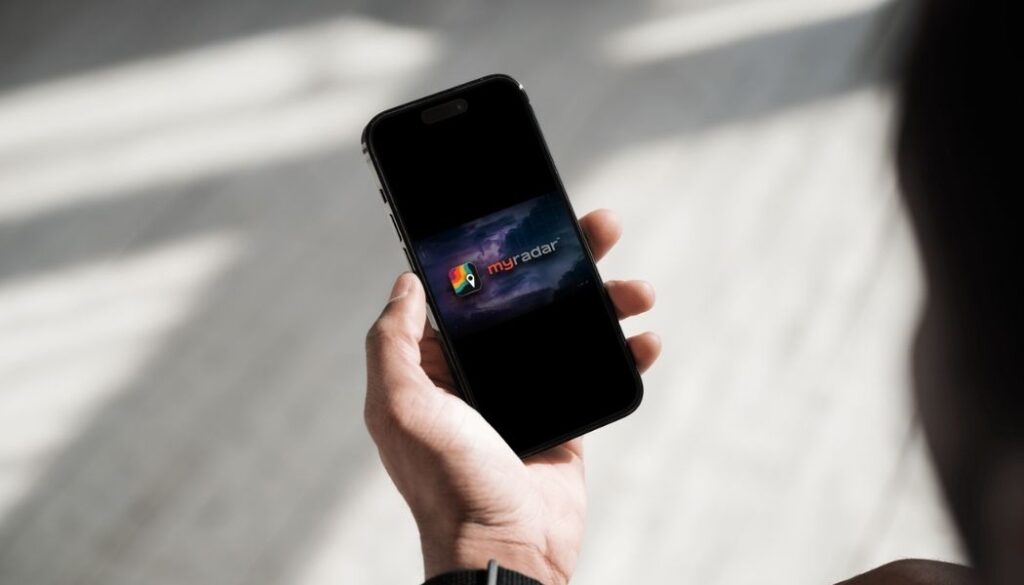
🌂1. MyRadar
Best For: Tracking incoming rain in real time
MyRadar is our favorite app for theme park days because it focuses on live radar rather than general forecasts. You can quickly see where storms are forming, how fast they’re moving, and whether they’ll impact your location.
Why we use it:
- Fast-loading live radar
- Rain arrival alerts
- Hurricane and tropical storm tracking
- Lightning and severe weather notifications
- Easy-to-read radar loops
When afternoon thunderstorms start developing over Central Florida, this is usually the first app we open.
🌂2. AccuWeather
Best For: Minute-by-minute rain forecasts
AccuWeather’s MinuteCast feature is extremely useful when you’re trying to decide whether to wait out a storm or continue exploring the park.
Why we use it:
- Minute-by-minute precipitation forecasts
- Hourly weather updates
- Long-range vacation planning
- Severe weather alerts
It’s particularly useful before your trip when deciding what days may have the highest chance of rain.
🌂3. WeatherBug
Best For: Lightning alerts
Florida is known as the lightning capital of the United States, and lightning—not rain—is usually what causes outdoor attractions to close.
Why we use it:
- Real-time lightning tracking
- Future radar maps
- Hurricane outlooks
- Custom weather alerts
If you’re spending the day riding outdoor roller coasters, WeatherBug can help you monitor approaching lightning before ride closures begin.
🌂4. Weather Underground
Best For: Hyper-local forecasts
Weather Underground uses data from thousands of personal weather stations to provide highly localized forecasts.
Why we use it:
- Neighborhood-level weather reporting
- Interactive radar maps
- Severe weather alerts
- Detailed hourly forecasts
This can be particularly useful when weather differs between Disney World, Universal Orlando, and other areas around Orlando.
🌂5. National Hurricane Center (NHC)
Best For: Hurricane season travel
If you’re visiting Florida between June and November, the National Hurricane Center should be your primary source for tropical weather information.
Why we use it:
- Official hurricane forecasts
- Storm track maps
- Tropical outlooks
- Government-issued updates
Instead of relying on social media rumors, we always check NHC forecasts directly whenever a tropical system develops.
🌂Our Recommended Setup
For the best results, we use multiple apps together:
- MyRadar for live radar
- AccuWeather for rain timing
- WeatherBug for lightning alerts
- NHC during hurricane season
Using all four gives us a complete picture of what’s happening now, what may happen later, and whether severe weather could impact our plans.
🚨Pro Tip
Don’t cancel your theme park day just because the forecast says there’s an 80% chance of rain.
In Florida, that often means a 30-to-60-minute thunderstorm during the afternoon—not all-day rain. The live radar in MyRadar or WeatherBug can help you determine whether it’s worth waiting out the storm or adjusting your plans.
What Happens When It Rains at Disney World?
Disney World is surprisingly rain-friendly.
Many attractions are located indoors, which means you can continue experiencing much of the park even during a downpour.

👍Attractions That Typically Remain Open
- Haunted Mansion
- Pirates of the Caribbean
- Space Mountain
- Rise of the Resistance
- Mickey & Minnie’s Runaway Railway
- Soarin’
- Living with the Land
🚫Attractions That May Close
- Seven Dwarfs Mine Train
- Slinky Dog Dash
- Big Thunder Mountain Railroad
- Test Track
- Outdoor character meet-and-greets
🚨Pro Tip
When a storm starts, many guests leave outdoor queues. Be ready to jump into popular indoor attractions immediately after the rain ends when wait times often drop significantly.
What Happens When It Rains at Universal Orlando?
Universal Orlando handles rain similarly, although more attractions are weather-sensitive.
👍Indoor Attractions That Stay Open
- Harry Potter and the Escape from Gringotts
- Revenge of the Mummy
- Men in Black Alien Attack
- Transformers
- The Bourne Stuntacular
- Villain-Con Minion Blast
🚫Attractions Likely to Close
- Jurassic World VelociCoaster
- Hollywood Rip Ride Rockit
- Hagrid’s Magical Creatures Motorbike Adventure
- Flight of the Hippogriff
🚨Pro Tip
If clouds start to gather or you feel that drizzly rain coming in and it’s starting to get into meal time, try to grab seats before everyone else takes cover. While everyone is going to try and get it another ride before the rain hits, you’ll be nicely seated and comfortable with a meal while they scramble for remaining seats.
Best Florida Theme Parks During Rain
Not all parks are equally enjoyable during stormy weather. One of the most important takeaways from this Florida Theme Park Rain Guide is that some Florida theme parks are much better equipped to handle rainy weather than others.
Parks with a large number of indoor attractions, shows, restaurants, and shopping areas allow guests to continue enjoying their day even when thunderstorms roll through. Others rely heavily on outdoor rides and experiences, which can lead to more ride closures and downtime during severe weather.
Understanding which parks offer the best rainy-day experience can help you plan your vacation more effectively and make the most of your time, regardless of what the forecast predicts.
1. Disney World
The best overall option due to the large number of indoor attractions and transportation options.
2. Universal Orlando
Excellent indoor attractions, though several major thrill rides may temporarily close.
3. SeaWorld Orlando
Can still be enjoyable, but weather may affect outdoor animal exhibits and shows.

4. Busch Gardens Tampa Bay
The least rain-friendly option because many major attractions are outdoors.
Florida Theme Park Packing List for Rainy Season
Packing for a Florida theme park vacation during rainy season is very different from packing for most destinations.
The combination of heat, humidity, sudden thunderstorms, and long days on your feet means you’ll want gear that keeps you comfortable, dry, and prepared for changing weather conditions.
Here’s exactly what we pack when visiting Florida theme parks between May and October.
🌂Rainy Season Theme Park Essentials🌂
🌧️Lightweight Poncho
A lightweight poncho is one of the most important items you can bring.
Unlike umbrellas, ponchos keep your hands free, are easier to navigate through crowds, and can be quickly packed away when the rain stops.
Tip: Buy ponchos before your trip. Theme park ponchos are often significantly more expensive than those sold at local stores.
🌧️Waterproof Phone Pouch
Florida thunderstorms can appear with little warning. A waterproof phone pouch protects your phone while allowing you to continue using maps, mobile ordering, Lightning Lane reservations, and ride photos.
Look for:
- Touchscreen-compatible pouches
- Neck lanyards
- Waterproof seals
- Floating designs if visiting water parks
🌧️Portable Charger
Weather apps, mobile ordering, ride reservations, and taking photos all drain your battery quickly.
We never visit a Florida theme park without a fully charged portable power bank.
🌧️Cooling Towel
Rain doesn’t always mean cooler temperatures.
Many summer days remain above 90°F with high humidity even after storms pass. Cooling towels help prevent overheating while walking through the parks.
🌧️Extra Socks
This may be the most underrated item on this list.
Even with waterproof shoes, your feet may get wet during a full day in the parks. Changing into dry socks can make a huge difference in comfort.
🌧️Backpack Rain Cover
A simple rain cover can protect:
- Cameras
- Portable chargers
- Souvenirs
- Extra clothing
- Electronics
Many hiking-style rain covers fold into a pouch and take up almost no space.
🥾Best Waterproof Shoes for Florida Theme Parks🥾
Choosing the right footwear can make or break your vacation.
The ideal theme park shoe should be comfortable enough for 20,000+ steps per day while also handling Florida’s frequent rain showers.
🌧️Best Overall: Brooks Ghost GTX
Why we like them:
- Waterproof Gore-Tex protection
- Excellent cushioning
- Comfortable for full park days
- Great support for long walking distances
Best for:
Visitors who prioritize comfort and plan to spend multiple days in the parks.
🌧️Best Budget Option: Skechers Go Walk Waterproof
Why we like them:
- Affordable
- Lightweight
- Quick-drying materials
- Comfortable for casual park touring
Best for:
Budget-conscious travelers.
🌧️Best Athletic Option: HOKA Transport GTX
Why we like them:
- Outstanding cushioning
- Waterproof protection
- Excellent for all-day walking
- Popular among frequent Disney visitors
Best for:
Guests prone to foot fatigue.
🌧️Best Sandal: Teva Hurricane XLT2
Why we like them:
- Fast drying
- Comfortable when wet
- Excellent grip
- Great for water rides
Best for:
Summer visitors who don’t mind open-toe footwear.
⚠️Shoes We Avoid
When rain is in the forecast, we generally avoid:
- Brand-new shoes
- Heavy leather sneakers
- Cotton canvas shoes
- Flip-flops without support
- Fashion-first footwear
You’ll likely walk between 15,000 and 25,000 steps per day, so comfort should always come first.
⛈️Hurricane Season Travel Safety Items⛈️
If you’re visiting Florida between June 1 and November 30, it’s smart to pack a few additional safety items.
Most trips are completely unaffected by hurricanes, but being prepared can help reduce stress if weather conditions change.
⛈️Portable Power Bank
Power outages are uncommon in Orlando’s major tourist areas, but having backup battery power is always a good idea during tropical weather events.
⛈️Small Flashlight
A compact flashlight takes up almost no luggage space and can be useful during severe weather situations.
⛈️Refillable Water Bottle
If weather delays occur, staying hydrated becomes even more important in Florida’s heat and humidity.
⛈️Physical Copies of Travel Information
Keep digital and printed copies of:
- Hotel reservations
- Airline confirmations
- Rental car reservations
- Travel insurance documents
- Emergency contact numbers
⛈️Travel Insurance Documents
If you’re visiting during hurricane season, travel insurance can provide valuable protection against:
- Flight cancellations
- Delayed departures
- Trip interruptions
- Unexpected hotel stays
Review your policy before traveling so you understand exactly what is covered.
➡️What We Actually Carry Into the Parks⬅️
Our typical rainy-season theme park bag includes:
☑️Lightweight poncho
☑️Portable charger
☑️Waterproof phone pouch
☑️Cooling towel
☑️Sunscreen
☑️Refillable water bottle
☑️Small pack of tissues
☑️Extra socks
☑️Backpack rain cover
☑️Weather app notifications enabled
This simple setup prepares us for Florida’s most common weather surprises without weighing us down during a long day in the parks.
Quick Packing Checklist
☔Clothing
- Moisture-wicking shirts
- Lightweight shorts
- Quick-dry athletic clothing
- Extra socks
- Light sweatshirt for indoor attractions
☔Rain Gear
- Poncho
- Waterproof phone pouch
- Backpack rain cover
☔Electronics
- Portable charger
- Charging cable
- Flashlight
☔Hurricane Season Extras
- Travel insurance information
- Printed travel documents
- Emergency contacts
- Refillable water bottle
With the right gear, Florida’s rainy season becomes much less intimidating. In fact, some of our best theme park days have happened during rainy weather, thanks to shorter lines, cooler temperatures, and lower crowds.
Rainy Day Touring Strategy
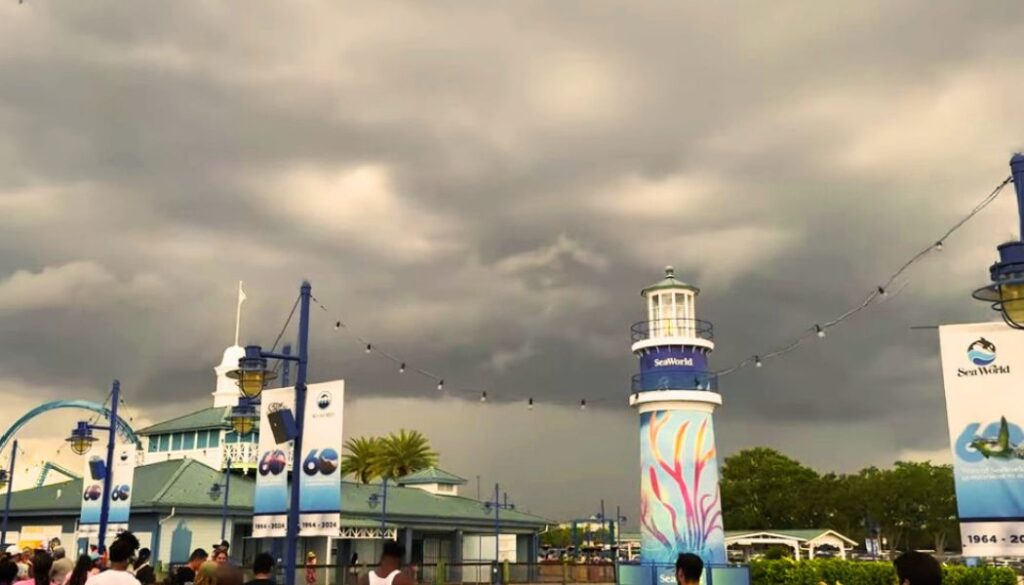
☔Before the Storm
- Prioritize outdoor attractions first thing in the morning.
- Monitor weather apps frequently.
- Schedule indoor dining reservations during peak thunderstorm hours.
☔During the Storm
- Visit indoor attractions.
- Explore shops and exhibits.
- Take a meal break.
☔After the Storm
This is often the best time to ride major attractions.
Many guests leave the park or seek shelter long after the storm has passed, creating some of the shortest wait times of the day.
Florida Theme Park Rain Guide FAQ
Does Disney World close when it rains?
No. Disney World remains open during normal rain and thunderstorms. Only specific outdoor attractions, entertainment, and experiences may temporarily close due to lightning or severe weather.
Are Florida theme parks worth visiting during rainy season?
Absolutely. Afternoon rain showers are common, but they rarely last all day. Many visitors enjoy lower crowds and shorter wait times during rainy-season visits.
What should I wear to a Florida theme park when rain is expected?
Lightweight, moisture-wicking clothing, comfortable waterproof footwear, and a compact poncho are usually the best choices. Avoid heavy jackets that become uncomfortable in Florida’s humidity.
Do rides stop when there is lightning?
Yes. Most outdoor attractions at Disney World, Universal Orlando, SeaWorld, and Busch Gardens temporarily suspend operations when lightning is detected nearby. Indoor attractions generally continue operating as normal.
Final Thoughts: Florida Theme Park Rain Guide
Rain is one of the most misunderstood parts of a Florida theme park vacation. As this Florida Theme Park Rain Guide has shown, while thunderstorms are common, they rarely ruin an entire day. With the right strategy, a rainy park day can actually become one of the most productive and enjoyable days of your trip.
Instead of fearing the forecast, plan for it. Pack a poncho, prioritize indoor attractions during storms, and take advantage of the shorter wait times that often follow. You may discover that a little Florida rain is the secret weapon most visitors overlook—and the reason savvy travelers continue to visit Florida theme parks during rainy season.


