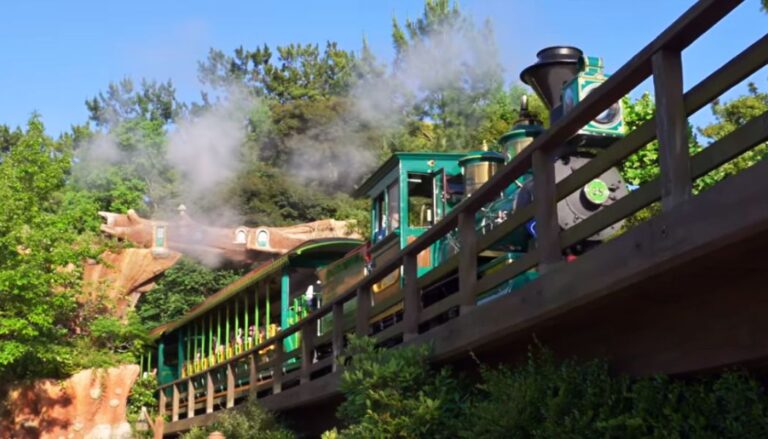


Looking for the Best Tokyo Itinerary for 5 Days?
Planning your first trip to Japan can feel overwhelming, especially when you realize just how massive Tokyo really is. With hundreds of neighborhoods, thousands of restaurants, and more attractions than you could possibly fit into one vacation, it’s easy to spend more time riding trains than actually experiencing the city. After visiting Japan multiple times, I’ve learned that the secret to a great trip isn’t trying to see everything. It’s exploring Tokyo one neighborhood at a time.
So, is 5 days in Tokyo enough? For most first-time visitors, absolutely. While you could spend weeks discovering every corner of the city, five days gives you enough time to experience Tokyo’s world-famous landmarks, incredible food scene, historic temples, vibrant nightlife, unique shopping districts, and a few hidden gems without feeling rushed.
I created this Tokyo itinerary for 5 days specifically for first-time visitors who want to make the most of their trip without constantly backtracking across the city. Rather than jumping from one side of Tokyo to the other, each day is organized by neighborhood, making it easy to navigate using Tokyo’s excellent public transportation while minimizing travel time.
Throughout this guide, I’ll share the exact route I recommend based on my own trips to Japan, along with my favorite restaurants, cafés, hotels, photo spots, and practical travel tips that I wish I had known before my first visit.

Quick Overview
| Trip Length | 5 Days |
|---|---|
| Best For | First-time visitors |
| Walking | Moderate |
| Budget | $$ |
| Stay In | Shinjuku or Shibuya |
| Transportation | Suica IC Card + Metro |
| Best Months | March-May & October-November |
How Many Days Do You Need in Tokyo?
For most first-time visitors, I recommend spending at least five days in Tokyo. That gives you enough time to explore several of the city’s most popular neighborhoods, visit major attractions, try a variety of Japanese food, and still leave room for spontaneous discoveries.
Tokyo is much larger than it appears on a map. Each neighborhood feels almost like its own city, with a different atmosphere, shopping scene, dining options, and set of attractions. Shibuya is known for its famous crossing and energetic nightlife, while Asakusa offers traditional temples and historic streets. Akihabara is filled with anime shops and arcades, Ginza is ideal for luxury shopping and dining, and Shinjuku combines skyscrapers, gardens, entertainment, and late-night restaurants.
Trying to see too many neighborhoods in one day can quickly become exhausting. Even though Tokyo’s train system is efficient, traveling between distant areas takes time. Large stations such as Shinjuku and Tokyo Station can also take longer to navigate than first-time visitors expect. This is why I prefer organizing each day around neighborhoods that are close together rather than constantly crossing the city.
With three days in Tokyo, you can see several highlights, but the trip will feel fast-paced. You will likely need to prioritize major areas such as Shibuya, Shinjuku, Asakusa, and Akihabara while skipping smaller attractions and slower experiences.
Five days offers a much better balance. You can visit Tokyo’s essential sights, explore different sides of the city, enjoy meals without rushing, and spend time shopping or visiting themed cafés, museums, observation decks, and temples.
If you have seven days or more, you can explore Tokyo at a slower pace and add neighborhoods such as Kichijoji, Shimokitazawa, Odaiba, Nakano, Ueno, or Yanaka. A longer stay also gives you time for a day trip to destinations such as Kamakura, Yokohama, Nikko, or the Mount Fuji area.
After visiting Japan multiple times, I have found that five days is an ideal starting point for a first Tokyo trip. You will not see everything—Tokyo is far too large for that—but you will experience a satisfying mix of modern attractions, traditional landmarks, food, shopping, and local neighborhoods without turning your vacation into a race.
How to Get Around Tokyo
One of the things I love most about Tokyo is how easy it is to get around once you understand the public transportation system. At first glance, the maze of train lines and stations can seem intimidating, but after my first day, I realized it was one of the most efficient transit systems I’ve ever used. Now, every time I return to Japan, I rely almost entirely on trains and the occasional bus to get around.
For this 5-day Tokyo itinerary, you won’t need to rent a car. In fact, I don’t recommend driving in Tokyo unless you’re planning to explore rural areas outside the city. Parking is expensive, traffic can be heavy, and public transportation is often faster than driving.
Get a Suica or PASMO IC Card
The easiest way to pay for transportation is with a Suica or PASMO IC card. These rechargeable transit cards work on nearly all trains, subways, buses, and even many vending machines, convenience stores, and lockers throughout Japan.
You can purchase a physical card at major train stations or add a digital Suica or PASMO directly to your Apple Wallet or supported Android device before your trip. Simply tap your phone or card at the ticket gates instead of buying individual tickets every time you ride.
I personally use a digital Suica on my phone, and it has made traveling around Tokyo incredibly convenient.
Should You Buy a JR Pass?
For most travelers spending only five days in Tokyo, the nationwide Japan Rail Pass is not worth the cost.
Since this itinerary focuses almost entirely on Tokyo, you’ll primarily be using the Tokyo Metro, Toei Subway, and JR Yamanote Line. Paying with a Suica or PASMO card is usually much cheaper than purchasing a nationwide rail pass.
The JR Pass only becomes a better value if you’re traveling long distances between cities, such as Tokyo, Kyoto, Osaka, Hiroshima, and beyond, within a short period.
The JR Yamanote Line
If there’s one train line you’ll use the most, it’s the JR Yamanote Line.
This circular railway connects many of Tokyo’s most popular neighborhoods, including:
- Shibuya
- Shinjuku
- Harajuku
- Ueno
- Akihabara
- Tokyo Station
- Ikebukuro
During my trips, I often use the Yamanote Line as my starting point before transferring to the subway for attractions farther from the JR stations.
Using the Tokyo Metro
While the JR lines connect many major districts, you’ll likely ride the Tokyo Metro or Toei Subway every day as well. These subway systems make it easy to reach neighborhoods like Asakusa, Ginza, Roppongi, and Tsukiji.
Don’t worry about memorizing the different train companies. Google Maps tells you exactly which line to take, where to transfer, and even which train car to board for the quickest exit.
Use Google Maps
Google Maps is easily the best navigation app for Tokyo.
I relied on it constantly during my trips, and it consistently provided accurate train times, platform numbers, transfer stations, fare estimates, and walking directions. It even tells you which exit to use at larger stations, a feature you’ll quickly appreciate in places like Shinjuku Station, one of the busiest train stations in the world.
My advice is to download offline maps before your trip and carry a portable charger. You’ll likely use your phone throughout the day for directions, restaurant recommendations, translations, and train schedules.
Walking Around Tokyo
Be prepared to walk…a lot.
Even though Tokyo’s transportation network is excellent, you’ll still spend plenty of time exploring neighborhoods on foot. On most days, I average 15,000 to 25,000 steps, and some sightseeing days have easily exceeded 30,000.
Comfortable walking shoes are one of the most important things you can pack for Japan.
Taking Taxis
Taxis in Tokyo are clean, safe, and reliable, but they’re significantly more expensive than taking the train.
I usually save taxis for situations like arriving late at night, traveling with heavy luggage, or when public transportation has stopped running. Apps like GO Taxi and Uber both operate in Tokyo, although Uber typically dispatches licensed taxis rather than private drivers.
Getting to and From the Airports
If you’re flying into Narita International Airport (NRT), the Narita Express (N’EX) is one of the easiest ways to reach central Tokyo, with direct service to stations such as Tokyo, Shibuya, Shinjuku, and Shinagawa. The Keisei Skyliner is another excellent option, especially if you’re staying near Ueno or Asakusa.
If you’re arriving at Haneda Airport (HND), you’re much closer to the city center. The Tokyo Monorail and Keikyu Line provide quick, affordable connections to central Tokyo, and many hotels are less than an hour away.
My Best Transportation Tips
After several trips to Tokyo, these are the transportation tips that have saved me the most time:
- Add a digital Suica or PASMO card to your phone before you arrive.
- Use Google Maps for every train journey, it rarely steers me wrong.
- Don’t worry if you miss a train. Another one is usually only a few minutes away.
- Avoid traveling during weekday rush hour if possible, especially between 7:30–9:00 a.m. and 5:00–7:00 p.m.
- Carry a portable battery pack since you’ll be using your phone throughout the day.
- Give yourself extra time at major stations like Shinjuku, Tokyo Station, and Shibuya, as simply finding the correct exit can take several minutes.
Tokyo’s transportation system may seem overwhelming before your trip, but it’s one of the reasons I love visiting the city. Once you get the hang of it, you’ll be able to explore nearly every corner of Tokyo quickly, affordably, and with surprisingly little stress.
Budget Breakdown: How Much Does 5 Days in Tokyo Cost?
One of the biggest misconceptions about visiting Japan is that Tokyo is incredibly expensive. While it’s certainly possible to spend thousands of dollars on luxury hotels and Michelin-starred restaurants, I actually found Tokyo to be much more affordable than I expected, especially compared to many major cities in the United States.
How much you’ll spend depends on your travel style, but here’s a realistic estimate for five days in Tokyo (excluding international flights).
| Expense | Budget Traveler | Mid-Range Traveler | Luxury Traveler |
|---|---|---|---|
| Hotel (4 nights) | $180–$450 | $600–$1,200 | $1,600–$4,000+ |
| Transportation | $30–$60 | $40–$80 | $60–$150 |
| Food & Drinks | $125–$225 | $250–$450 | $600–$1,200+ |
| Attractions | $75–$175 | $150–$300 | $300–$700+ |
| Shopping & Souvenirs | $50–$200 | $200–$500 | $500+ |
| Estimated Total | $460–$1,110 | $1,240–$2,530 | $3,060+ |
Budget Traveler ($90–$225 Per Day)
Tokyo is surprisingly friendly for budget-conscious travelers. Capsule hotels, hostels, and business hotels are clean, safe, and often much nicer than similarly priced accommodations in other countries.
You can also save money by:
- Eating at convenience stores like 7-Eleven, Lawson, and FamilyMart.
- Taking advantage of affordable ramen, curry, udon, and conveyor belt sushi restaurants.
- Using trains instead of taxis.
- Visiting free attractions like Meiji Jingu, Sensō-ji Temple, Shibuya Crossing, and many public parks and observation areas.
Even on a tighter budget, it’s easy to eat well in Tokyo. Some of my favorite meals have cost less than $10.
Mid-Range Traveler ($250–$500 Per Day)
This is the budget I recommend for most first-time visitors.
A mid-range budget allows you to stay in comfortable hotels in popular neighborhoods, enjoy a mix of casual and nicer restaurants, visit paid attractions like teamLab Planets or Tokyo Skytree, and leave room for shopping without constantly worrying about your spending.
This is generally how I travel. I like staying in clean, well-located hotels while treating myself to unique cafés, themed restaurants, and experiences that make each trip memorable.
Luxury Traveler ($600+ Per Day)
If you’re looking for a luxury experience, Tokyo delivers.
You can stay in five-star hotels overlooking the skyline, dine at Michelin-starred restaurants, book private food tours, enjoy luxury shopping in Ginza, and relax in upscale spas or traditional ryokans with onsen baths.
Luxury prices can vary widely, especially if you’re visiting during cherry blossom season or the holidays.
Ways to Save Money in Tokyo
Even if you have a larger travel budget, there are plenty of easy ways to reduce your expenses without sacrificing your experience.
- Stay slightly outside the busiest areas like Shibuya or Shinjuku while remaining close to a train station.
- Book hotels several months in advance, especially during spring and autumn.
- Eat lunch instead of dinner at high-end restaurants, as many offer the same quality for a lower price.
- Carry a reusable water bottle and refill it at your hotel or public fountains.
- Walk between nearby neighborhoods when possible instead of taking short train rides.
- Visit convenience stores for breakfast, snacks, and surprisingly delicious desserts.
- Use luggage forwarding services if you’re traveling between cities instead of paying airline baggage fees or carrying heavy suitcases through train stations.
Don’t Forget These Extra Costs
When budgeting for Tokyo, it’s easy to overlook a few smaller expenses that can add up over five days:
- Airport transportation
- Pocket Wi-Fi or an eSIM
- Travel insurance
- Coin lockers for luggage
- Laundry if you’re visiting Japan for a longer trip
- Gachapon machines, claw games, arcades, and other small impulse purchases (trust me, they’re hard to resist!)
My Recommended Budget
If you’re visiting Tokyo for the first time, I’d recommend budgeting around $300–$400 per person per day, not including your hotel. That gives you plenty of flexibility to enjoy great food, visit popular attractions, shop for souvenirs, and occasionally splurge on a unique experience without feeling like you need to watch every yen.
Tokyo can absolutely be a luxury destination, but it doesn’t have to be. With a little planning, you can experience one of the world’s most exciting cities on almost any budget.
Mistakes First-Time Visitors Make
Tokyo is one of the easiest cities in the world to explore, but there are a few mistakes that almost every first-time visitor makes—including me. Looking back at my first trip, there are several things I wish I had known before arriving that would have saved me time, money, and a lot of unnecessary walking.
Trying to See Too Much in One Day
Tokyo is enormous. While it might look easy to visit Shibuya, Asakusa, Akihabara, and Odaiba all in one day, you’ll spend far more time riding trains than actually enjoying each destination.
One of the biggest lessons I’ve learned after multiple visits is to group attractions by neighborhood. That’s exactly how this itinerary is organized. Instead of racing across the city, you’ll have time to explore side streets, browse local shops, and stop for a café without constantly checking the clock.
Underestimating How Much You’ll Walk
Even with Tokyo’s incredible train system, you’ll still walk…a lot.
Large stations like Shinjuku, Shibuya, and Tokyo Station are practically cities themselves. Simply getting from your train platform to the correct exit can take ten minutes or more. By the end of most sightseeing days, I usually log between 15,000 and 25,000 steps, and some days have gone well over 30,000.
Pack comfortable walking shoes. You’ll thank yourself later.
Waiting Too Long to Book Popular Attractions
Many of Tokyo’s most popular attractions now require advance reservations.
If you’re planning to visit places like teamLab Planets, the Warner Bros. Studio Tour Tokyo, Shibuya Sky, or certain themed cafés and restaurants, book them several weeks, or even months, ahead if you’re traveling during peak seasons like cherry blossom season or autumn.
I recommend purchasing tickets before you even leave home whenever possible.
Staying Too Far From a Train Station
When booking a hotel, don’t just compare prices.
A hotel that’s a 15 or 20 minute walk from the nearest station may seem like a bargain, but after a full day of sightseeing, carrying shopping bags, and walking thousands of steps, that extra distance quickly becomes exhausting.
I always try to stay within a 5 to 10 minute walk of a major train station, and it has made every trip much more enjoyable.
Skipping Convenience Stores
If you’ve never been to Japan, you might assume convenience stores are just for grabbing a quick snack.
They’re so much more than that.
7-Eleven, Lawson, and FamilyMart sell surprisingly delicious meals, fresh sandwiches, pastries, coffee, desserts, and even high-quality fried chicken. They also have ATMs that accept many international cards, making them one of the easiest places to withdraw cash.
Some of my favorite breakfasts in Japan have come from convenience stores.
Not Carrying a Small Trash Bag
One thing that surprises many visitors is how few public trash cans there are in Tokyo.
You’ll often end up carrying wrappers, drink bottles, or napkins until you return to your hotel or find a convenience store with a garbage bin.
I always keep a small plastic bag in my backpack, and it’s one of the simplest travel tips that has made exploring Tokyo much easier.
Forgetting to Carry Some Cash
Japan has become much more card-friendly over the past few years, but cash is still useful.
Some smaller restaurants, temples, market stalls, capsule toy machines, and local shops only accept cash. Having a few thousand yen in your wallet means you won’t have to skip a great meal or souvenir because your credit card isn’t accepted.
Ignoring Jet Lag
If you’re flying from North America or Europe, jet lag can hit hard.
Instead of planning your busiest sightseeing day immediately after you land, keep your first afternoon relatively flexible. Explore the neighborhood around your hotel, grab dinner, and try to stay awake until evening.
I also recommend waking up early during your first few mornings. Some of Tokyo’s most famous attractions, including Sensō-ji Temple and Meiji Jingu, are incredibly peaceful before the crowds arrive.
Packing Too Much
Japan has excellent shopping, and you’ll probably buy more than you expect.
Between Pokémon merchandise, anime collectibles, beauty products, snacks, clothing, and souvenirs, I almost always return home with an extra suitcase or duffel bag.
Leave some room in your luggage, or pack a collapsible bag, so you’re not scrambling to fit everything at the end of your trip.
Thinking You Need to Do Everything
This is probably the biggest mistake of all.
Tokyo is one of the largest cities in the world, and no one sees everything in a single visit. Even after returning multiple times, I’m still discovering new neighborhoods, cafés, restaurants, and hidden gems.
Instead of trying to check every attraction off a list, slow down and enjoy each area. Wander down quiet side streets, step into shops that catch your eye, and allow yourself time to experience Tokyo rather than simply rushing through it.
That’s often when the best travel memories happen.
There’s no better way to begin your first trip to Tokyo than by exploring its most iconic neighborhoods. Day one combines the energy of Shibuya, the fashion and food scene of Harajuku, and the peaceful forest surrounding Meiji Jingu Shrine. Since these areas are all within walking distance of one another, you’ll spend less time on trains and more time actually experiencing Tokyo.
This was also the first area I explored on my very first trip to Japan, and it’s still one of my favorite days to revisit every time I return.
Day 1: Shibuya, Harajuku & Meiji Jingu
The best way to start your Tokyo 5 Day Itinerary is trekking through some of the most well known neighborhoods in Tokyo. Shibuya and Harajuku are two of Tokyo’s most vibrant and iconic districts, offering a perfect blend of pop culture, fashion, and excitement.
Morning
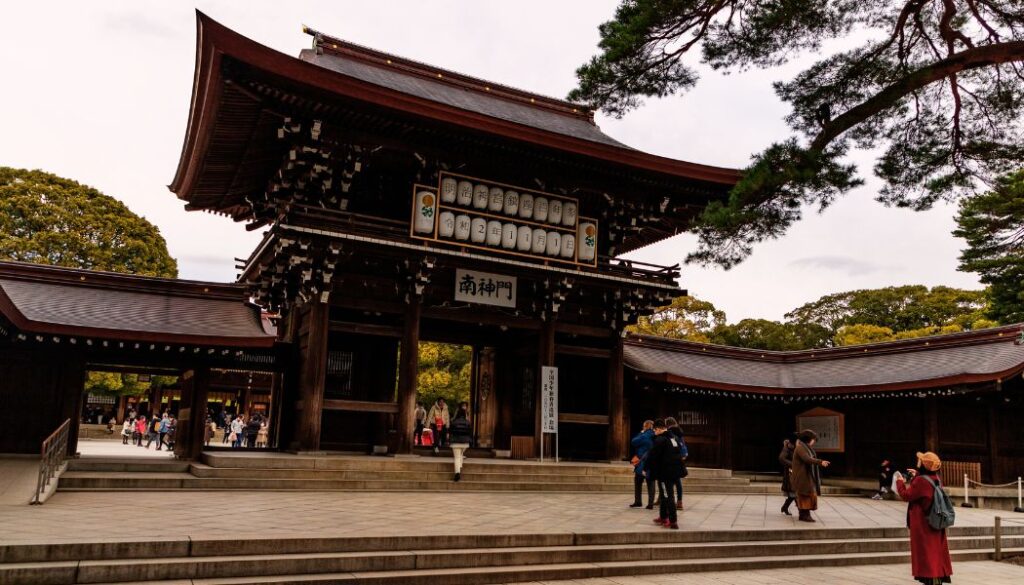
Start your morning in Shibuya before the crowds arrive.
Visit:
- Hachikō Statue
- Shibuya Scramble Crossing
- Shibuya Center Gai
- Magnet by Shibuya109 Observation Deck
- Shibuya PARCO (Nintendo Store, Pokémon Center, Capcom Store)
- Miyashita Park
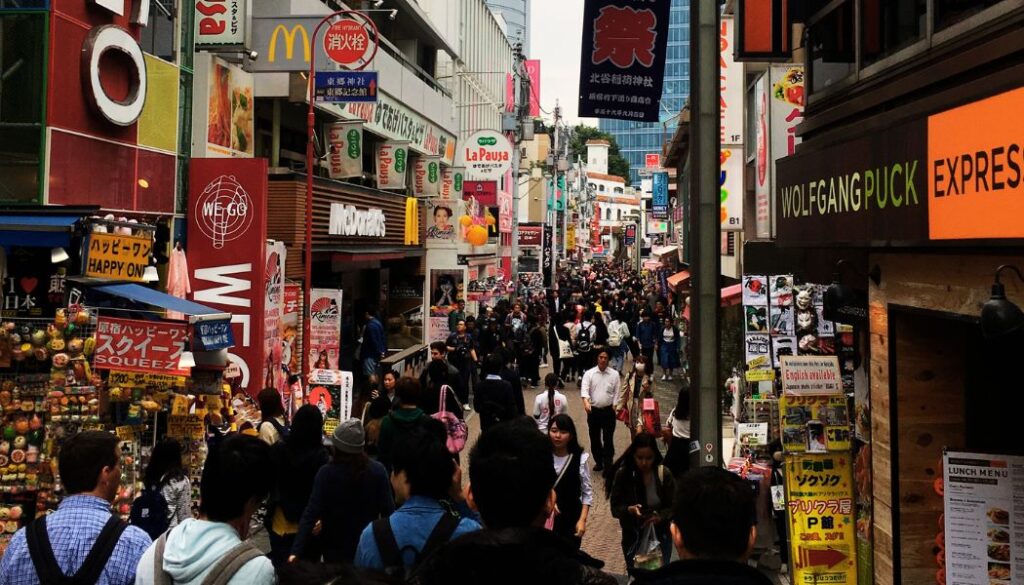
If you’re an early riser, Shibuya Crossing is surprisingly peaceful before 9:00 a.m. It’s the perfect time to grab photos without hundreds of people filling the intersection.

Shibuya Crossing is one of Tokyo’s most iconic spots, often compared to Times Square. It’s a bustling intersection where seemingly endless streams of people weave through each other in a perfectly choreographed dance.
🍽️Breakfast Recommendation🥞
The Little Bakery Tokyo (my personal favorite)
One of my favorite breakfasts in Tokyo. Their fresh pastries, breakfast sandwiches, and coffee make it an excellent place to fuel up before walking through Harajuku.
Other great breakfast options include:
- Roasted Coffee Laboratory
- Eggs ‘n Things Harajuku
- bills Omotesando (famous ricotta pancakes)
Afternoon
Walk from Shibuya into Harajuku.
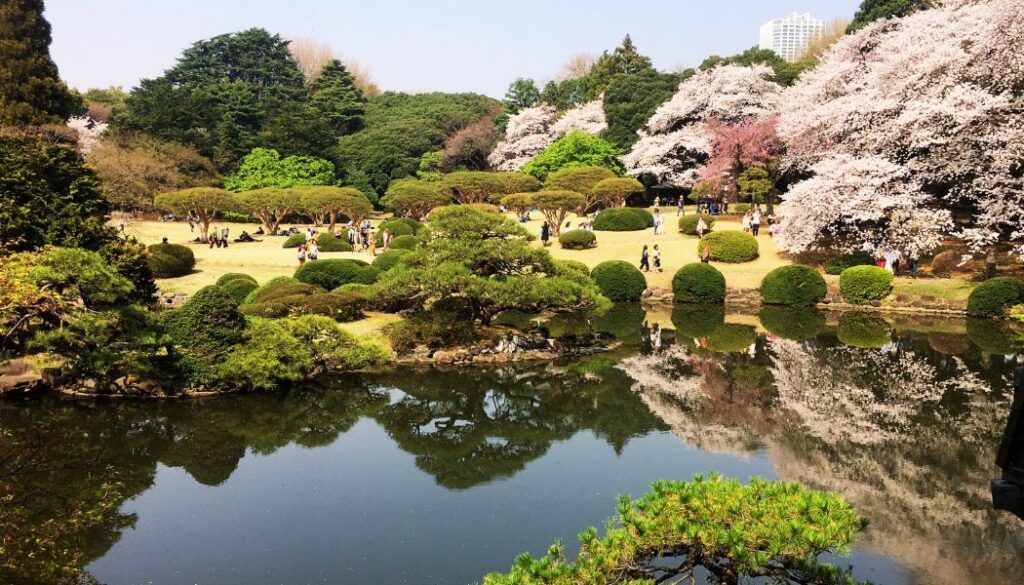
Spend the afternoon exploring:
- Meiji Jingu Shrine
- Meiji Jingu Forest
- Yoyogi Park
- Takeshita Street
- Tokyu Plaza Omotesando Harajuku Rooftop
- Laforet Harajuku
- Cat Street
- Omotesando
One thing I love about this walk is how dramatically the atmosphere changes. Within a few minutes, you’ll go from one of the busiest intersections in the world to a quiet forest surrounding one of Tokyo’s most important shrines.
Take your time wandering through Meiji Jingu. Unlike many temples throughout Japan, this one feels incredibly peaceful despite being located in the middle of the city.
➡️ Taking a tour with an experienced guide can be really helpful in navigating new cities. This Harajuku Kawaii Fashion & Pop-culture Tour will make sure you see all the best places! ⬅️
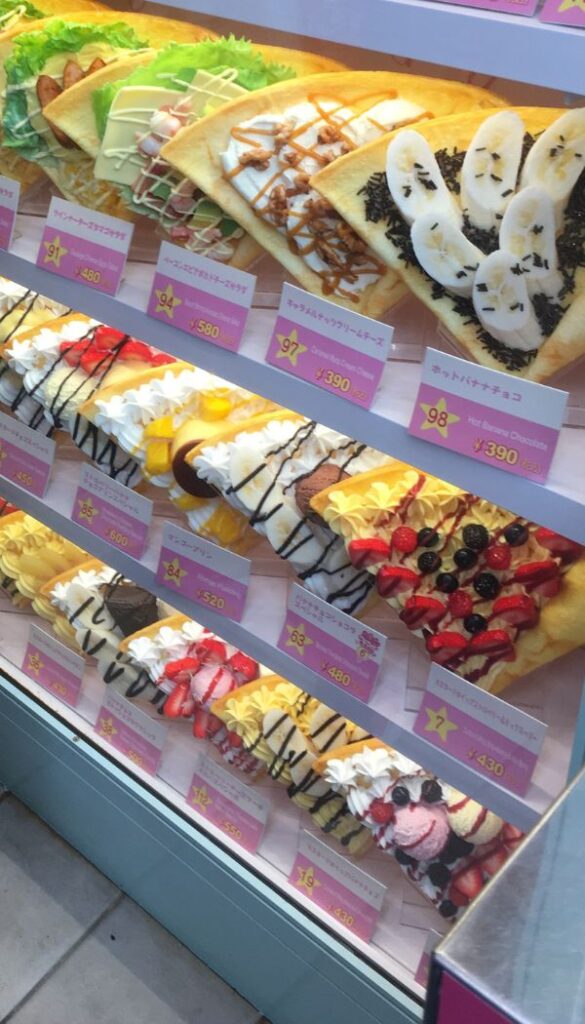
Don’t leave without trying one of Harajuku’s famous sweets.
I recommend:
- Marion Crêpes
- Santa Monica Crepes
- Totti Candy Factory
- Imada Kitchen
- I’m Donut?
- The Matcha Tokyo
🍽️Lunch Recommendation🥪
After several visits, these are the restaurants I recommend most:
- Yamamoto’s Hamburg (my favorite) – Incredible Japanese-style hamburg steak.
- Udon Shin – Frequently considered one of Tokyo’s best udon restaurants.
- Gyukatsu Motomura – Famous breaded beef cutlets.
- Roast Beef Ohno – Delicious roast beef bowls.
- Nikuya Yokocho Udagawacho – Great for wagyu lovers.
➡️ This Half Day Foodie Walking Tour will make sure you experience the best Harajuku has to offer! ⬅️
Evening
As the sun begins to set, head back toward Shibuya.
Visit:
- Shibuya Sky (book tickets in advance)
- Mega Don Quijote
- Shibuya 109
- Disney Store
- Loft
- Hands
Watching the sunset from Shibuya Sky is one of my favorite experiences in Tokyo. If you can only visit one observation deck during your trip, this is the one I’d choose.
🍽️Dinner Recommendation🍝
Some of my favorite dinners in the area include:
- Menchirashi (one of the best meals I’ve had in Tokyo)
- Shogun Burger
- Katsudon-ya Zuicho
- Uobei Conveyor Belt Sushi
- Nabezo Shibuya (all-you-can-eat shabu shabu)
Nightlife
If you still have energy after dinner, Shibuya is one of Tokyo’s best nightlife districts.
Explore:
- Center Gai
- Nonbei Yokocho (Drunkard’s Alley)
- Dogenzaka
- Shibuya Yokocho
Even if you don’t drink, simply walking through these streets at night is an experience.
Bars
Some excellent places to grab a drink include:
- SG Club
- Music Bar Lion
- Mikkeller Tokyo
- Goodbeer Faucets
- The Bellwood
- Bar Trench (Omotesando)
➡️ A great way to end the night is with a Shibuya Night Bar Hopping Walking Tour, which helps find the best spots that are welcoming to tourists! ⬅️
Late-Night Snacks
Tokyo is famous for late-night comfort food.
If you’re hungry after exploring, try:
- Ichiran Ramen
- Afuri Ramen
- Ippudo
- FamilyMart fried chicken
- Lawson karaage
- 7-Eleven egg sandwiches
- Convenience store desserts (don’t skip these!)
Nearby Attractions
If you have extra time, consider adding:
- Nezu Museum
- Ota Memorial Museum of Art
- Blue Bottle Coffee Aoyama
- Kiddy Land
- Alice on Wednesday
- ASMR Twix Hair Spa
- Shibuya Stream
Estimated Cost
| Expense | Estimated Cost |
|---|---|
| Transportation | $5–10 |
| Breakfast | $8–15 |
| Lunch | $15–30 |
| Dinner | $20–40 |
| Snacks & Dessert | $10–20 |
| Attractions | $0–35 |
| Shopping (Optional) | Varies |
Typical Total: $60–140 per person
Walking Distance

Approximately 6–8 miles (10–13 km)
Depending on shopping stops and how much you explore side streets.
Time Needed
Plan for approximately 10–12 hours if you want to experience everything without rushing.
Best Photography Spots
- Shibuya Crossing
- Magnet Rooftop
- Hachikō Statue
- Meiji Jingu Torii Gate
- Yoyogi Park
- Tokyu Plaza Kaleidoscope Entrance
- Cat Street
- Shibuya Sky at sunset
Hidden Gems
These are some places I rarely see included in first-time itineraries but always enjoy:
- Miyashita Park rooftop
- Quiet residential streets behind Cat Street
- The Little Bakery Tokyo
- Alice on Wednesday
- Tokyu Plaza rooftop garden
- Back alleys behind Omotesando
- Shibuya Stream
More Great Places to Eat

If none of the restaurants above sound appealing, I’d also recommend:
- Sushiro
- Gyukatsu Kyoto Katsugyu
- Luke’s Lobster
- Luke’s Burger
- Uobei Sushi
- Kura Sushi
- Pepper Lunch
- Shake Shack Shibuya
What to Skip if You’re Short on Time
If you’re trying to keep this day manageable, I’d prioritize:
✅ Shibuya Crossing
✅ Meiji Jingu
✅ Takeshita Street
✅ Cat Street
✅ Shibuya Sky
I’d skip:
- Disney Store
- Mega Don Quijote
- Shibuya 109
- Loft
- Some of the larger shopping malls
Those are fun to browse, but they’re easier to sacrifice than Tokyo’s iconic attractions if your schedule is tight.
Day 2: Asakusa and Ueno

After experiencing Tokyo’s modern side on your first day, it’s time to slow down and discover where the city’s history comes to life. Asakusa and Ueno are two of Tokyo’s oldest and most culturally rich neighborhoods, offering centuries-old temples, traditional shopping streets, peaceful parks, museums, and incredible local food which are all within a short train ride of one another.
This is one of my favorite days on any Tokyo itinerary because it feels completely different from Shibuya or Shinjuku. I also love getting to Asakusa early in the morning before the crowds arrive. Watching Sensō-ji Temple wake up is one of my favorite experiences in Tokyo.
Morning
Arrive in Asakusa around 8:00 a.m. to beat the tour groups.
Explore:
- Sensō-ji Temple
- Kaminarimon Gate
- Nakamise Shopping Street
- Hōzōmon Gate
- Asakusa Shrine
- Sumida River Walk
- Asakusa Culture Tourist Information Center (free observation deck)
If you’re interested in shopping for souvenirs, traditional snacks, or handcrafted goods, Nakamise Street is one of the best places in Tokyo to do it.
➡️ Asakusa is one of the best areas to Rent a Kimono in as there are many wonderful places to take pictures around the temple. ⬅️
➡️ We Recommend: After getting fitted for your kimono, this Asakusa Cultural Walk & Matcha Making Tour is the best way to see Senso-ji Temple and Sightseeing Center! ⬅️
🍽️Breakfast Recommendation🥞
Start your day with one of these excellent cafés:
- Suke6 Diner (my top recommendation) – Great coffee, fluffy pancakes, and hearty breakfast plates.
- February Kitchen
- Coffee Wrights Kuramae
- Fuglen Asakusa
- Caffe Mio
If you’re arriving very early, picking up breakfast from a nearby bakery and enjoying it beside the Sumida River is another great option.
Afternoon
Walk or take a short train ride to Ueno.

Visit:
- Ueno Park
- Shinobazu Pond
- Tokyo National Museum
- National Museum of Nature and Science
- Ueno Zoo (optional)
- Ameyoko Shopping Street
Ueno Park is beautiful year-round but is especially famous during cherry blossom season. Even outside of spring, it’s one of my favorite places to take a break from the city’s fast pace.
If museums aren’t your thing, spend more time wandering Ameyoko, where you’ll find everything from fresh seafood and street food to clothing and cosmetics.
🍽️Lunch Recommendation🥪
Some of my favorite places nearby include:
- Gyukatsu Motomura Ueno – Crispy beef cutlets cooked to your liking on a personal stone grill.
- Yamabe Tonkatsu
- Inshotei (traditional Japanese cuisine inside Ueno Park)
- Monja Moheji
- Maguro Bito (excellent sushi)
➡️ Want to Eat and Drink Like a Local? then this Ueno Food Tour is perfect for you! ⬅️
For a quick bite, don’t overlook the street food stalls around Ameyoko Market.
Evening
Return to Asakusa for sunset or continue exploring Ueno depending on your pace.
If you’re back in Asakusa, consider:
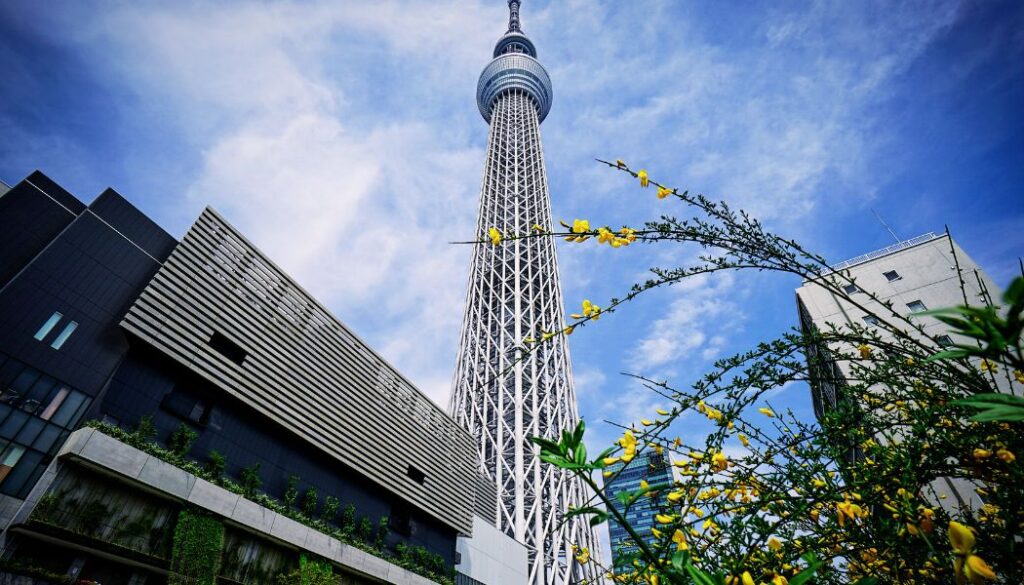
- Tokyo Skytree views from Sumida Park
- Evening walk around Sensō-ji Temple
- Shopping along Orange Street
- Kappabashi Kitchen Town
Sensō-ji becomes beautifully illuminated after dark, and the atmosphere is much quieter than during the day. I actually prefer visiting the temple at night because you can appreciate the architecture without navigating large crowds.
➡️ Get Your Tickets for the Skytree Tembo Deck and Galleria Here! ⬅️
🍽️Dinner Recommendation🍝
Some excellent dinner options include:
- Daikokuya Tempura – One of Asakusa’s most famous restaurants.
- Asakusa Imahan – Premium sukiyaki.
- Sometaro – Traditional okonomiyaki cooked at your table.
- Onigiri Asakusa Yadoroku – One of Tokyo’s oldest rice ball shops.
- Sushi Ken Asakusa
🍽️Dessert🍰
Don’t leave Asakusa without trying something sweet.
My recommendations:
- Suzukien – Famous for its rich matcha gelato.
- Kagetsudo – Giant melon pan.
- Asakusa Kagetsudo Café
- Imo Pippi (sweet potato desserts)
- Funawa (traditional sweet potato yokan)
Nightlife
Asakusa isn’t known for clubs, but it has a relaxed evening atmosphere that’s perfect if you’re looking for something quieter.
Explore:
- Hoppy Street
- Orange Street
- Sumida River promenade
- Night views of Tokyo Skytree

Bars
If you’d like a drink, check out:
- Kamiya Bar (Japan’s oldest Western-style bar)
- FUGLEN Asakusa (coffee by day, cocktails by night)
- Bar Six
- Nui. Hostel & Bar Lounge
- The Bridge Bar & Lounge
Late-Night Snacks
Some great options after dinner include:
- Ichiran Ramen
- Menya Musashi
- FamilyMart fried chicken
- Lawson premium desserts
- 7-Eleven egg sandwiches
- Fresh taiyaki from late-night vendors (if available)
➡️ If you need help finding the right bars and pubs, this Asakusa Foods & Drinks, Culture Nightlife Tour is the way to go! ⬅️
Nearby Attractions
If you have extra time, consider adding:
- Tokyo Skytree
- Sumida Aquarium
- Kirby Café (reservation required)
- Kappabashi Kitchen Street
- Yanaka Ginza
- Nezu Shrine
- Tokyo National Museum
- Tokyo Metropolitan Art Museum
Estimated Cost
| Expense | Estimated Cost |
|---|---|
| Transportation | $5–10 |
| Breakfast | $8–15 |
| Lunch | $15–30 |
| Dinner | $20–45 |
| Snacks & Dessert | $10–20 |
| Museums & Attractions | $10–30 |
| Shopping (Optional) | Varies |
Typical Total: $70–150 per person
Walking Distance
Approximately 5–7 miles (8–11 km)
Depending on how many museums you visit and whether you walk between Asakusa and Ueno.
Time Needed
Allow 9–11 hours for a relaxed day exploring temples, museums, markets, and cafés.
Best Photography Spots
- Kaminarimon Gate
- Nakamise Street
- Sensō-ji Temple
- Five-story Pagoda
- Sumida River
- Tokyo Skytree views
- Ueno Park
- Shinobazu Pond
- Ameyoko Market
Hidden Gems
Some places I rarely see included in itineraries include:
- Asakusa Culture Tourist Information Center observation deck (free!)
- Orange Street
- Quiet residential streets behind Sensō-ji
- Denboin Garden (seasonal opening)
- Kappabashi Kitchen Street
- Yanaka neighborhood
- Bentendo Temple on Shinobazu Pond
More Great Places to Eat
If you’re looking for more food options, I also recommend:
- Onigiri Asakusa Yadoroku
- Asakusa Mugitoro
- Tendon Tenya
- Gyukatsu Kyoto Katsugyu
- Torikizoku
- Sushiro
- Kura Sushi
- Kushikatsu Tanaka
What to Skip if You’re Short on Time
If you’re limited on time, I’d prioritize:
✅ Sensō-ji Temple
✅ Nakamise Shopping Street
✅ Ueno Park
✅ Ameyoko Market
✅ Tokyo Skytree views from Sumida Park
I’d consider skipping:
- Ueno Zoo
- One or more museums
- Kappabashi Kitchen Street
- Extended shopping in Ameyoko
Those attractions are all worthwhile, but they’re easier to save for a future trip than Tokyo’s oldest temple and Ueno’s iconic park.
Day 3: Akihabara and Odaiba
Today is all about experiencing Tokyo’s futuristic side. From the neon-lit streets of Akihabara to the waterfront entertainment district of Odaiba, you’ll discover why Tokyo is famous for cutting-edge technology, anime culture, gaming, themed attractions, and some of the city’s most unique experiences.
As someone who loves video games and pop culture, this is one of my favorite days in Tokyo. Every time I visit, I find a new arcade, anime shop, or quirky attraction that wasn’t there before. Even if you’re not a huge anime fan, Akihabara and Odaiba offer plenty of attractions that appeal to every type of traveler.
Morning
Start your day in Akihabara, Tokyo’s famous Electric Town.
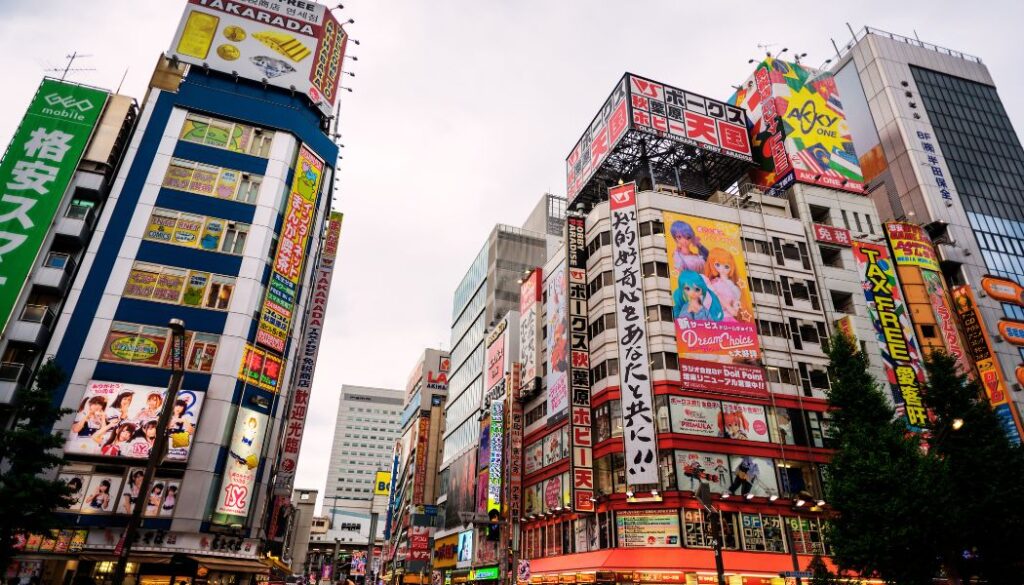
Explore:
- Radio Kaikan
- Animate Akihabara
- Super Potato
- Mandarake Complex
- GiGO Arcades
- Yodobashi Camera
- Kanda Myojin Shrine
- Gachapon Hall
If you enjoy retro video games, manga, collectibles, or Pokémon, you could easily spend an entire day here. Even if you don’t buy anything, browsing the stores is part of the experience.
Don’t forget to venture upstairs in the larger buildings—many of the best shops are hidden on the upper floors.
➡️ This Akihabara Anime & Gaming Adventure Walking Tour is the best way to make sure you get inside all the best shops and find what you are looking for and includes entry into a maid cafe! ⬅️
🍽️Breakfast Recommendation🥞
Fuel up before shopping with one of these cafés:
- Cafe MOCO (my favorite nearby breakfast stop)
- Cure Maid Café
- The French Toast Factory
- Verve Coffee Roasters Kanda
- Starbucks Reserve Kanda
If you’re staying nearby, grabbing breakfast from a bakery before the shops open is another great option.
Afternoon
Take the JR Yamanote Line to Shimbashi Station, then ride the Yurikamome Line across Rainbow Bridge to Odaiba.
Spend the afternoon exploring:
- teamLab Planets (book in advance if visiting today)
- DiverCity Tokyo Plaza
- Life-sized Unicorn Gundam Statue
- Aqua City Odaiba
- Decks Tokyo Beach
- Statue of Liberty
- Rainbow Bridge Promenade
- Odaiba Seaside Park
One of my favorite parts of visiting Odaiba is riding the Yurikamome. Since it’s an automated train with large windows, you’ll get fantastic views of Tokyo Bay and Rainbow Bridge before you even arrive.
If your itinerary includes Immersive Fort Tokyo instead of teamLab, this is the perfect time to visit.
🍽️Lunch Recommendation🥪
Some of my favorite restaurants include:
- Roast Beef Ohno Akihabara (one of my favorite meals in Tokyo)
- Tonkatsu Marugo
- Gyukatsu Ichi Ni San
- UDX Akiba Ichi Food Court
- Kua’Aina Burger (Odaiba)
If you’re in Odaiba by lunchtime, Aqua City and DiverCity both have excellent food courts with dozens of options.
Evening
Stay in Odaiba for sunset.

Visit:
- Sunset at Odaiba Beach
- Rainbow Bridge
- Tokyo Bay waterfront
- Aqua City observation decks
- Evening Gundam light show
Watching the city skyline light up across Tokyo Bay is one of the most underrated views in the city. It’s much quieter than Shibuya Sky and offers a completely different perspective of Tokyo.
🍽️Dinner Recommendation🍝
Some excellent dinner options include:
- Bills Odaiba – Famous ricotta pancakes and waterfront views.
- Gonpachi Odaiba
- Kushiya Monogatari
- Eggs ‘n Things Odaiba
- Tsukiji Gindaco Takoyaki
🍽️Dessert🍰
End the day with something sweet:
- Nana’s Green Tea
- Godiva Dessert Café
- Lindt Chocolate Café
- Cold Stone Creamery
- Baskin Robbins Japan (unique seasonal flavors)
Nightlife
While Odaiba is quieter than Shibuya, it’s beautiful after dark.
Take an evening stroll around:
- Odaiba Marine Park
- Rainbow Bridge
- DiverCity Plaza
- Decks Tokyo Beach
If you’d rather experience Tokyo’s nightlife, return to Akihabara for arcades that stay open late.
Bars
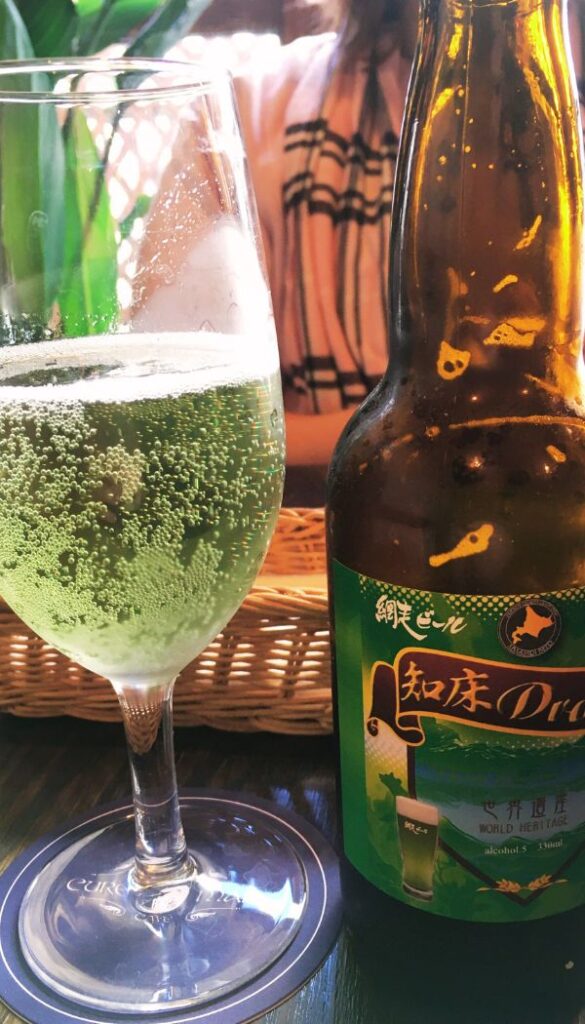
Some great places for a drink include:
- Craft Beer Market Odaiba
- Hub Akihabara
- AKIBA Brew
- Hitachino Brewing Lab
- Two Dogs Taproom
Late-Night Snacks
Tokyo always has something delicious available after dark.
Try:
- Ichiran Ramen
- Coco Ichibanya Curry
- Lawson fried chicken
- FamilyMart Famichiki
- 7-Eleven desserts
- Melon pan from nearby bakeries
Nearby Attractions
If you have extra time, consider adding:
- Small Worlds Miniature Museum
- Tokyo Joypolis
- Immersive Fort Tokyo
- National Museum of Emerging Science (Miraikan)
- Fuji TV Building Observation Deck
- VenusFort area (if attractions reopen in new developments)
- Kanda Shrine
- 2k540 Artisan Shopping Street
Estimated Cost
| Expense | Estimated Cost |
|---|---|
| Transportation | $8–15 |
| Breakfast | $8–15 |
| Lunch | $15–30 |
| Dinner | $20–40 |
| Snacks & Dessert | $10–20 |
| Attractions | $20–70 |
| Shopping (Optional) | Varies |
Typical Total: $80–190 per person
Walking Distance
Approximately 5–8 miles (8–13 km)
Depending on how much shopping you do in Akihabara and how much of Odaiba you explore on foot.
Time Needed
Allow 10–12 hours to fully enjoy both neighborhoods.
Best Photography Spots
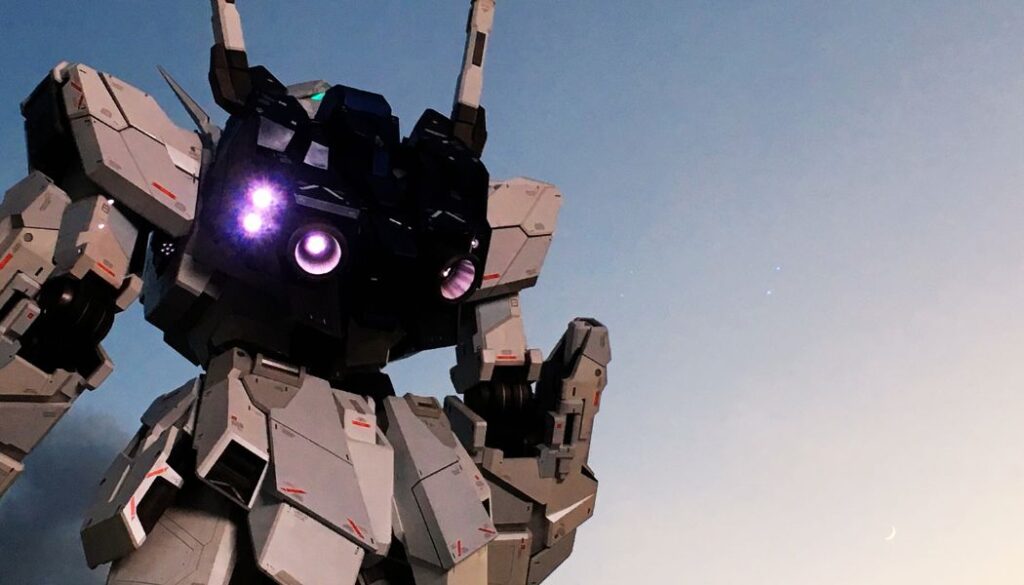
- Giant Unicorn Gundam
- Rainbow Bridge
- Odaiba Beach
- Statue of Liberty
- Tokyo Bay skyline
- Akihabara Electric Town
- Colorful arcade signs
- Yurikamome train views
- teamLab Planets
Hidden Gems
Some places many visitors miss include:
- Kanda Myojin Shrine
- 2k540 Artisan Shops
- Upper-floor hobby stores in Akihabara
- Odaiba Beach at sunset
- Aqua City rooftop viewing area
- Quiet waterfront paths behind DiverCity
- Tokyo Cruise Terminal observation area
More Great Places to Eat
If you’re looking for additional options, I recommend:
- Gyukatsu Motomura
- Kanda Yabu Soba
- Maidreamin Maid Café (for the experience)
- Sushi Zanmai
- Menya Musashi
- Uobei Sushi
- Shake Shack Odaiba
- Tsukiji Gindaco
What to Skip if You’re Short on Time
If you’re limited on time, I’d prioritize:
✅ Akihabara Electric Town
✅ Super Potato
✅ Giant Gundam Statue
✅ Rainbow Bridge views
✅ Odaiba Beach at sunset
I’d skip:
- Multiple arcades (pick one or two)
- Some shopping malls
- Joypolis
- Miraikan
- Long shopping sessions in electronics stores
These attractions are fun, but you’ll still experience the highlights of both neighborhoods without feeling rushed.
Day 4: Ginza, Roppongi, and Shinjuku
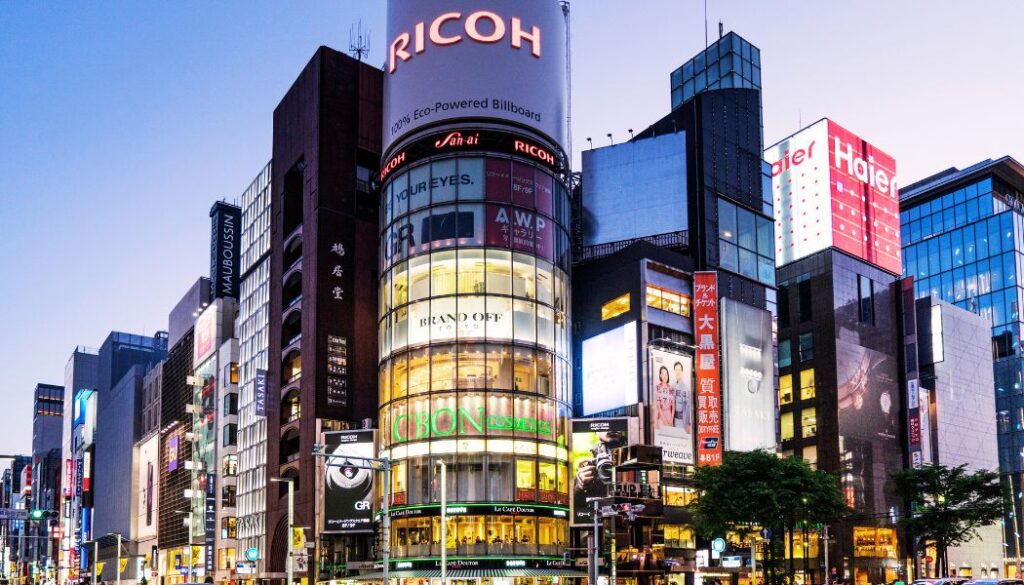
Today combines three completely different sides of Tokyo in one unforgettable day. You’ll start among the luxury boutiques and historic department stores of Ginza, spend the afternoon exploring the art, architecture, and panoramic city views of Roppongi, and finish the evening in the bright lights of Shinjuku, one of the most exciting nightlife districts in the world.
I’ve stayed in both Ginza and Shinjuku on several trips, and I love how different they feel. Ginza is polished and sophisticated, Roppongi offers some of Tokyo’s best museums and observation decks, while Shinjuku comes alive after sunset with tiny alleyways, neon lights, izakayas, and late-night entertainment.
Morning
Start your day exploring Ginza, Tokyo’s premier shopping district.
Visit:
- Ginza Six
- Uniqlo Ginza Flagship Store
- GU Flagship Store
- Itoya Stationery Store
- Nissan Crossing
- Wako Clock Tower
- Kabukiza Theatre
- Art Aquarium Museum Ginza (one of my favorite attractions in the city)
Even if luxury shopping isn’t your thing, Ginza is worth visiting simply for its beautiful architecture and department stores. I always enjoy wandering through the food halls (depachika) in the basement levels—you’ll find incredible pastries, sushi, desserts, and beautifully packaged souvenirs.
🍽️Breakfast Recommendation🥞
Start your morning with one of these excellent cafés:
- Centre the Bakery (my favorite breakfast in Ginza)
- Turret Coffee
- Ginza West
- Buvette Tokyo
- Café de L’Ambre (legendary coffee shop)
Afternoon
Take the subway to Roppongi.
Explore:
- Tokyo Midtown
- Roppongi Hills
- Mori Art Museum
- Tokyo City View Observation Deck
- National Art Center Tokyo
- 21_21 Design Sight
- Hinokicho Park
If you only visit one observation deck today, I recommend Tokyo City View. It offers incredible skyline views and is often less crowded than some of Tokyo’s other observation decks.
Art lovers could easily spend an entire afternoon in Roppongi, but even if museums aren’t your priority, the neighborhood is worth exploring for its modern architecture and public art.
🍽️Lunch Recommendation🥪
Some of my favorite places nearby include:
- Ginza Kagari (one of the best bowls of ramen I’ve had in Tokyo)
- AFURI Roppongi
- Butagumi (famous tonkatsu)
- Sushi no Midori Ginza
- TsuruTonTan Udon
Evening
Head to Shinjuku, where Tokyo truly comes alive after dark.
Explore:
- Omoide Yokocho
- Kabukicho
- Godzilla Head
- Golden Gai
- Shinjuku East Terrace
- Shinjuku Southern Terrace
- Tokyo Metropolitan Government Building Observation Deck (free)
- Shinjuku Gyoen National Garden (visit earlier if you prefer gardens)
This is one of my favorite places to simply wander. Every side street seems to hide another tiny ramen shop, izakaya, karaoke bar, or arcade.
🍽️Dinner Recommendation🍝
Some restaurants I highly recommend include:
- Udon Shin (one of my favorite meals in Tokyo—arrive early or expect a wait)
- Fuunji Ramen
- Nabezo Shinjuku
- Gyukatsu Motomura
- Rokkasen Yakiniku (all-you-can-eat wagyu)
🍽️Dessert🍰
Treat yourself after dinner at one of these dessert spots:
- Pâtisserie Sadaharu Aoki Paris
- HARBS
- Café AALIYA (French toast)
- Sweets Paradise
Nightlife

If you’re looking to experience Tokyo after dark, this is the place.
Kabuki-cho, located in Shinjuku, is Tokyo’s most famous entertainment district, renowned for its vibrant and eclectic nightlife. As evening descends, the neon lights illuminate the bustling streets, inviting you to explore its myriad of attractions.
Explore:
- Golden Gai
- Kabukicho
- Omoide Yokocho
- Shinjuku Nichome
- Karaoke Kan
- GiGO Arcades
Even if you don’t plan on drinking, walking through these neon-lit streets is one of the most memorable experiences in Tokyo.
Bars
Some of my favorite bars include:
- Ben Fiddich
- Bar Albatross
- New York Bar (featured in Lost in Translation)
- Bar Trench
- Zoetrope Whisky Bar
- SG Club (worth returning to if you missed it in Shibuya)
Late-Night Snacks
Shinjuku is one of Tokyo’s best late-night food neighborhoods.
Try:
- Ichiran Ramen
- Fuunji
- Menya Musashi
- FamilyMart fried chicken
- Lawson premium desserts
- 7-Eleven egg sandwiches
- Takoyaki from street vendors
➡️ These tours will help you find the best pubs and bars so you can have a great night out with good food and drinks! ⬅️
Tokyo Bar Hopping Night Tour in Shinjuku
Shinjuku Izakaya Food Tour
Shinjuku Golden Gai Food Tour
Nearby Attractions
If you have extra time, consider adding:
- Imperial Palace East Gardens
- Hamarikyu Gardens
- Zojoji Temple
- Tokyo Tower
- Nezu Museum
- Samurai Museum (if reopened)
- Hanazono Shrine
Estimated Cost
| Expense | Estimated Cost |
|---|---|
| Transportation | $6–12 |
| Breakfast | $10–20 |
| Lunch | $15–35 |
| Dinner | $25–60 |
| Snacks & Dessert | $10–20 |
| Attractions | $20–50 |
| Shopping (Optional) | Varies |
Typical Total: $90–200 per person
Walking Distance
Approximately 6–9 miles (10–14 km)
You’ll do plenty of walking between department stores, museums, and Shinjuku’s entertainment districts.
Time Needed
Plan for 10–12 hours to comfortably explore all three neighborhoods.
Best Photography Spots
- Wako Clock Tower
- Ginza Six rooftop garden
- Tokyo City View
- Tokyo Tower views from Roppongi
- Godzilla Head
- Golden Gai alleys
- Omoide Yokocho
- Kabukicho Gate
- Tokyo Metropolitan Government Building
Hidden Gems
Some of my favorite lesser-known spots include:
- Art Aquarium Museum Ginza
- Ginza Six rooftop garden
- Café de L’Ambre
- Hinokicho Park
- Small alleyways behind Golden Gai
- Hanazono Shrine
- Department store food halls in Ginza
More Great Places to Eat
Looking for additional options?
- Tsuta Ramen
- Rokurinsha
- Katsukura
- Tempura Abe
- Yakitori Alley restaurants
- Sushi Zanmai
- Isetan Food Hall
- Torikizoku
What to Skip if You’re Short on Time
If you’re trying to shorten this day, I’d prioritize:
✅ Art Aquarium Museum
✅ Tokyo City View
✅ Golden Gai
✅ Omoide Yokocho
✅ Kabukicho
I’d consider skipping:
- Luxury shopping in Ginza
- National Art Center
- Tokyo Midtown shopping
- Multiple department stores
Those experiences are excellent if you have extra time, but the observation deck, nightlife, and iconic streets offer a much more memorable introduction to Tokyo.
Day 5: Kichijoji, Yanaka & Shimokitazawa
By your fifth day in Tokyo, you’ve probably seen the city’s most famous landmarks. Now it’s time to explore the neighborhoods that made me fall in love with Tokyo in the first place. While these areas don’t always appear in first-time itineraries, they offer a slower pace, local charm, beautiful parks, vintage shopping, cozy cafés, and hidden streets that feel worlds away from the crowds of Shibuya and Shinjuku.
This is my favorite “wander without a plan” day. Instead of rushing between major attractions, you’ll experience a side of Tokyo that many tourists never see.
Morning
Start your morning in Kichijoji, consistently ranked as one of Tokyo’s most desirable neighborhoods to live in.
Explore:
- Inokashira Park
- Inokashira Pond
- Benzaiten Shrine
- Harmonica Yokocho
- Sun Road Shopping Street
- Coppice Kichijoji
- Loft Kichijoji
If you’ve managed to secure tickets months in advance, this is also where you’ll find the Ghibli Museum, one of Tokyo’s most sought-after attractions.
Kichijoji has a completely different atmosphere than central Tokyo. It feels more like a neighborhood where locals actually live rather than a tourist destination.
🍽️Breakfast Recommendation🥞
Start your day at one of these excellent cafés:
- SIDEWALK STAND INOKASHIRA (my favorite recommendation)
- LIGHT UP COFFEE
- Blue Sky Coffee
- Sarutahiko Coffee
- Café Zenon
Grab a coffee to go and enjoy a peaceful walk around Inokashira Pond before the park becomes busy.
Afternoon
Take the train to Yanaka, one of the few neighborhoods that survived World War II with much of its historic character intact.
Explore:
- Yanaka Ginza Shopping Street
- Yuyake Dandan Stairs
- Tennoji Temple
- Yanaka Cemetery
- Nezu Shrine
- Local artisan shops
- Traditional sweet shops
Yanaka feels like stepping back in time. Narrow streets, wooden homes, family-run businesses, and quiet temples offer a glimpse into what Tokyo looked like decades ago.
This is one of my favorite neighborhoods for photography because almost every side street feels like a hidden gem.
🍽️Lunch Recommendation🥪
Some excellent restaurants include:
- Kayaba Coffee (my top recommendation)
- Hantei Nezu (yakitori)
- Yanaka Beer Hall
- Kamachiku Udon
- Izuei Main Branch (eel)
If you’re visiting on a warm day, don’t skip one of the neighborhood’s traditional shaved ice or matcha dessert shops.
Evening
Finish your trip in Shimokitazawa, Tokyo’s capital of vintage shopping, indie cafés, live music, and creative culture.
Explore:
- Bonus Track
- Reload Shimokitazawa
- Vintage clothing stores
- Record shops
- Independent bookstores
- Street art
- Live music venues
Unlike Shibuya or Ginza, Shimokitazawa doesn’t have giant department stores or skyscrapers. Instead, it’s filled with narrow alleyways lined with local boutiques, coffee shops, and restaurants.
I could easily spend an entire afternoon wandering here without any specific destination.
🍽️Dinner Recommendation🍝
Some of my favorite restaurants include:
- Nan Station Curry (my favorite in Shimokitazawa)
- Rojiura Curry Samurai
- Village Vanguard Diner
- Ushi no Kura
- Shirube Izakaya
🍽️Dessert🍰
End your Tokyo trip with something sweet.
I recommend:
- Shiro-Hige’s Cream Puff Factory (Totoro cream puffs!)
- Sunday Brunch
- Ballon D’Essai Ice Cream
- Café Stay Happy
- SUNDAY VEGAN
Nightlife
Shimokitazawa offers a much more relaxed nightlife than Shinjuku or Shibuya.
Spend your evening exploring:
- Live music venues
- Cocktail bars
- Small izakayas
- Record bars
- Rooftop cafés
It’s the perfect neighborhood for a slower final evening in Tokyo.
Bars
Some excellent choices include:
- Little Soul Café
- City Country City
- Mother
- Upstairs Records & Bar
- Shimokitazawa Cage (seasonal events)
Late-Night Snacks
Before heading back to your hotel, grab one final Japanese snack.
Some favorites include:
- Yakitori from local izakayas
- FamilyMart desserts
- Lawson premium sweets
- Fresh taiyaki
- Convenience store ice cream
- Late-night ramen
Nearby Attractions
If you have extra time, consider adding:
- Ghibli Museum (advance reservation required)
- Nakano Broadway
- Gotokuji Temple (Lucky Cat Temple)
- Koenji
- Suginami Animation Museum
- Jindaiji Temple
- Todoroki Valley
Estimated Cost
| Expense | Estimated Cost |
|---|---|
| Transportation | $8–15 |
| Breakfast | $8–15 |
| Lunch | $15–30 |
| Dinner | $20–40 |
| Snacks & Dessert | $10–20 |
| Attractions | $0–30 |
| Shopping (Optional) | Varies |
Typical Total: $60–150 per person
Walking Distance
Approximately 5–7 miles (8–11 km)
You’ll spend much of the day strolling through neighborhoods, parks, shopping streets, and quiet residential areas.
Time Needed
Plan for 9–11 hours to comfortably enjoy all three neighborhoods.
Best Photography Spots
- Inokashira Park
- Benzaiten Shrine
- Harmonica Yokocho
- Yanaka Ginza
- Yuyake Dandan Stairs
- Nezu Shrine Torii Gates
- Shimokitazawa side streets
- Vintage storefronts
- Local cafés
Hidden Gems
These are some of my favorite lesser-known places:
- Bonus Track Shimokitazawa
- Reload Shimokitazawa
- Kayaba Coffee
- Yanaka Cemetery
- Quiet alleys surrounding Yanaka Ginza
- Inokashira Park at sunrise
- Independent bookstores throughout Shimokitazawa
More Great Places to Eat
Looking for even more options?
- Satou Steak House (Kichijoji)
- Meat Shop Satou Croquettes
- Hummingbird Coffee
- Flipper’s Pancakes
- Bear Pond Espresso
- Fuglen Shimokitazawa
- Brooklyn Roasting Company
- Onigiri Bongo (nearby if heading toward Otsuka afterward)
What to Skip if You’re Short on Time
If you’re limited on time, I’d prioritize:
✅ Inokashira Park
✅ Harmonica Yokocho
✅ Yanaka Ginza
✅ Nezu Shrine
✅ Shimokitazawa’s vintage shopping streets
I’d consider skipping:
- Coppice shopping mall
- Smaller temples in Yanaka
- Multiple vintage stores (choose a few)
- Long café breaks if you’re trying to see all three neighborhoods
Where To Stay in Tokyo
Choosing the right neighborhood is one of the biggest decisions you’ll make when planning your trip to Tokyo. While the city has one of the world’s best public transportation systems, staying in the right area can save you hours of commuting over the course of your vacation.
Over multiple trips to Japan, I’ve stayed in hotels, hostels, capsule hotels, and business hotels all across Tokyo. While every neighborhood has its own personality, I generally recommend choosing a hotel in Shibuya, Shinjuku, Ueno, Asakusa, Ginza, or Akihabara for a first visit. These areas are well-connected by train, packed with restaurants, and make excellent home bases for exploring the city.
Below are my favorite areas to stay, along with hotel recommendations for every budget.
Shibuya: Best for First-Time Visitors
If I could recommend just one neighborhood to first-time visitors, it would be Shibuya. It’s energetic, easy to navigate, and offers direct train connections throughout Tokyo. You’ll be within walking distance of Shibuya Crossing, Hachikō Statue, countless restaurants, shopping malls, and nightlife.
Budget ($)
- Hotel Graphy Shibuya – One of my favorite affordable stays. It has stylish common areas, a rooftop terrace, complimentary light breakfast, and free evening snacks and drinks on select days, giving it a boutique hotel feel at hostel prices.
- The Millennials Shibuya – I’ve stayed here multiple times and love it for solo travel. The futuristic sleeping pods are surprisingly spacious, and the shared workspaces, free coffee, and complimentary evening beer make it feel much more social than a typical capsule hotel.
Mid-Range ($$)
- Shibuya Excel Hotel Tokyu – Located directly above Shibuya Station, making transportation incredibly convenient. Many rooms overlook Shibuya Crossing.
- lyf Shibuya Tokyo – Modern rooms with lively coworking spaces, communal kitchens, and laundry facilities perfect for longer stays.
Luxury ($$$)
- Cerulean Tower Tokyu Hotel – Spacious rooms with incredible skyline views, multiple restaurants, a fitness club, and one of the best luxury locations in Shibuya.
- Trunk Hotel Yoyogi Park – A stylish boutique hotel offering spacious rooms, thoughtful design, and easy access to both Shibuya and Harajuku.
Shinjuku: Best for Nightlife & Transportation
Shinjuku is one of Tokyo’s busiest transportation hubs and an excellent choice if you want easy access to trains throughout the city. It also has fantastic nightlife, shopping, and restaurants.
Budget ($)
- UNPLAN Shinjuku – I’ve stayed here and found it to be one of Tokyo’s nicest hostels. The rooms are clean, the beds are comfortable, and breakfast is included.
- Bespoke Hotel Shinjuku – Another hotel I’ve personally enjoyed. It’s modern, reasonably priced, and within walking distance of Kabukicho while still feeling quiet at night.
Mid-Range ($$)
- Hotel Gracery Shinjuku – Famous for the life-sized Godzilla overlooking the hotel. I’ve stayed here and loved the location for exploring Kabukicho, Golden Gai, and Omoide Yokocho.
- JR Kyushu Hotel Blossom Shinjuku – Spacious rooms by Tokyo standards with excellent access to Shinjuku Station.
Luxury ($$$)
- Keio Plaza Hotel – A long-time favorite among international travelers thanks to its large rooms, airport limousine bus service, and multiple dining options.
- Kimpton Shinjuku Tokyo – Stylish luxury accommodations featuring designer interiors, pet-friendly rooms, and exceptional service.
Asakusa: Best for Traditional Tokyo
If you prefer a quieter atmosphere with historic streets and beautiful temples, Asakusa is an excellent place to stay. It’s one of my favorite neighborhoods because you can experience Tokyo before the crowds arrive each morning.
Budget ($)
- Resol Poshtel Tokyo Asakusa – I’ve stayed here several times. The capsule-style rooms are spotless, surprisingly comfortable, and just a short walk from Sensō-ji Temple.
- Sake Bar Hotel Asakusa – A fun option I’ve personally stayed at that includes complimentary sake tastings in the evening, making it a unique experience for visitors interested in Japanese culture.
Mid-Range ($$)
- KAIKA Tokyo by THE SHARE HOTELS – One of my favorite hotels in Tokyo. I’ve stayed here and loved the spacious rooms, minimalist design, and unique concept of combining a boutique hotel with a contemporary art storage museum.
- The Gate Hotel Kaminarimon by Hulic – I’ve stayed here and highly recommend it. The rooftop terrace offers beautiful views of Tokyo Skytree, while the breakfast buffet is one of the best I’ve had in Japan.
Luxury ($$$)
- Asakusa View Hotel – Spacious rooms with spectacular views of Tokyo Skytree and multiple on-site restaurants.
- Onyado Nono Asakusa Natural Hot Spring – A luxury Japanese-style hotel featuring natural hot spring baths, complimentary late-night ramen, and traditional tatami flooring throughout.
Ueno: Best for Value & Museums
Ueno is often overlooked, but it’s one of the best-value neighborhoods in Tokyo. It offers excellent transportation, museums, parks, shopping streets, and easy access to Narita Airport.
Budget ($)
- Hotel Monday Premium Ueno Okachimachi – I’ve stayed here and appreciated the spacious rooms, family-friendly atmosphere, and convenient location near multiple train stations.
Mid-Range ($$)
- JR East Hotel Mets Omori – Although technically south of central Tokyo, I stayed here because of its direct JR station access. The rooms were quiet, modern, and exceptionally convenient for riding the Yamanote Line around the city.
- Mitsui Garden Hotel Ueno – Comfortable rooms with an excellent location across from Ueno Station.
Luxury ($$$)
- NOHGA Hotel Ueno Tokyo – A stylish boutique hotel featuring locally sourced artwork, an excellent bakery, and one of the most highly rated breakfasts in the area.
Ginza: Best for Luxury Shopping & Fine Dining
Ginza offers a more refined side of Tokyo with upscale department stores, Michelin-starred restaurants, cocktail bars, and easy access to Tokyo Station.
Budget ($)
- Anshin Oyado Tokyo Ginza Shiodome – One of my favorite capsule hotels. I’ve stayed here and was impressed by how many amenities are included, such as complimentary curry, drinks, massage chairs, public baths, and toiletries.
Mid-Range ($$)
- The Square Hotel Ginza – I’ve stayed here and found it to be a fantastic value. The rooms are modern, the location is excellent, and the hotel has an on-site restaurant and fitness center.
- Hotel Musse Ginza Meitetsu – Stylish accommodations within walking distance of shopping and several subway stations.
Luxury ($$$)
- The Tokyo EDITION Ginza – Contemporary luxury with beautifully designed rooms and outstanding restaurants.
- The Peninsula Tokyo – One of Tokyo’s most iconic luxury hotels featuring oversized rooms, a world-class spa, Rolls-Royce transportation service, and views overlooking the Imperial Palace.
Akihabara: Best for Anime & Gaming Fans
If your trip revolves around anime, manga, retro games, and electronics, staying in Akihabara lets you enjoy the district long after most day visitors have left.
Budget ($)
- Akihabara Bay Hotel – I’ve stayed here and found it to be one of the nicest women-only capsule hotels in Tokyo. It’s clean, secure, and within walking distance of Akihabara’s biggest attractions.
Mid-Range ($$)
- JR East Hotel Mets Premier Akihabara – Modern rooms with direct access to JR lines and excellent soundproofing.
- remm Akihabara – Comfortable business hotel with massage chairs in many rooms and fantastic train access.
Luxury ($$$)
- Nohga Hotel Akihabara Tokyo – A modern boutique hotel known for spacious rooms, premium bedding, and one of the area’s best breakfast buffets.
Hotel Amenities Worth Looking For
When comparing hotels in Tokyo, don’t focus solely on price. Many properties include amenities that can save you money or make your trip much more comfortable.
Some features I always look for include:
- Breakfast buffets, which often include both Japanese and Western dishes and can save both time and money each morning.
- Coin-operated laundry or in-room washing machines, especially if you’re visiting Japan for more than a week.
- Public baths (onsen or sento-style baths) for relaxing after long days of walking.
- Free luggage storage, allowing you to explore before check-in or after check-out.
- Airport limousine bus stops nearby if you’re arriving with large suitcases.
- Kitchenettes in apartment-style hotels for families or longer stays.
- Complimentary drinks or evening snacks, a surprisingly common perk at many Japanese hotels.
No matter which neighborhood you choose, you’ll rarely be more than a short train ride from Tokyo’s top attractions. The key is selecting an area that matches your travel style. If it’s your first visit, I’d personally choose Shibuya for its central location, Shinjuku for nightlife and transportation, or Asakusa if you prefer a quieter, more traditional atmosphere.
5 Days in Tokyo: The Ultimate First-Time Tokyo Itinerary FAQ
Is 5 Days Enough in Tokyo?
Yes! Five days is an excellent amount of time for first-time visitors. You’ll have enough time to explore Tokyo’s most famous neighborhoods, visit historic temples, experience the city’s incredible food scene, enjoy world-class shopping, and still discover a few hidden gems. While you won’t see everything Tokyo has to offer, five days provides a well-rounded introduction to one of the world’s largest cities.
What is the Best Area to Stay in Tokyo for First-Time Visitors?
I recommend staying in Shibuya if it’s your first trip to Tokyo. It offers excellent transportation, countless restaurants, shopping, and easy access to many of the city’s top attractions. Shinjuku, Asakusa, Ueno, and Ginza are also excellent choices depending on your travel style and budget.
Should I Stay in Shibuya or Shinjuku?
Both are fantastic neighborhoods, but they offer different experiences. Shibuya has a younger, trendier atmosphere with famous landmarks like Shibuya Crossing, while Shinjuku is larger and offers better nightlife, entertainment, and transportation connections. If you’re looking for lively nightlife, choose Shinjuku. If you prefer shopping, cafés, and a more walkable neighborhood, Shibuya is hard to beat.
Is Tokyo Expensive?
Tokyo can be as affordable or as luxurious as you want it to be. Budget travelers can comfortably visit by staying in hostels or business hotels, eating at ramen shops and convenience stores, and using public transportation. Mid-range travelers can expect to spend around $250–$400 per day, while luxury travelers can easily spend much more on hotels, fine dining, and shopping.
Do I Need a JR Pass for 5 days in Tokyo?
No. If you’re only spending five days in Tokyo, purchasing a nationwide Japan Rail Pass usually isn’t worth the cost. A rechargeable Suica or PASMO card is the easiest and most affordable way to pay for trains and subways throughout the city.
Is Tokyo Easy to Get Around?
Absolutely. Tokyo has one of the world’s best public transportation systems. Although the number of train lines may seem intimidating at first, Google Maps provides detailed directions, including train platforms, transfer stations, and travel times. After a day or two, most visitors find the system surprisingly easy to navigate.
How Much Walking Should I Expect?
Be prepared to walk quite a bit. During my trips to Tokyo, I usually average between 15,000 and 25,000 steps per day, and some sightseeing days have exceeded 30,000 steps. Comfortable walking shoes are one of the most important things you can pack.
Is Tokyo Safe for Tourists?
Yes. Tokyo is consistently ranked as one of the safest major cities in the world. Violent crime is extremely rare, public transportation is safe, and it’s common to see people walking around late at night. As with any destination, it’s still wise to stay aware of your surroundings and keep an eye on your belongings.
Can I Visit Tokyo Without Speaking Japanese?
Yes. While learning a few basic Japanese phrases is appreciated, you can easily travel throughout Tokyo using English signs, translation apps, and Google Maps. Most train stations, tourist attractions, and many restaurants provide English information.
Do I Need Cash in Tokyo?
Although credit cards are accepted at most hotels, department stores, and larger restaurants, I recommend carrying some cash. Smaller restaurants, temples, local shops, and some market vendors may still accept cash only.
What is the Best Time to Visit Tokyo?
Spring (March through May) and autumn (October through November) are generally considered the best times to visit thanks to comfortable temperatures and beautiful scenery. Spring brings cherry blossoms, while autumn offers colorful foliage. Winter is typically clear and less crowded, while summer can be hot, humid, and rainy.
Should I Visit Tokyo Disney or Spend Another Day Exploring Tokyo?
If it’s your first visit and you’re a Disney fan, Tokyo DisneySea is one of the best Disney parks in the world and is absolutely worth a full day. However, if you’re more interested in experiencing Japanese culture, I recommend spending an extra day exploring neighborhoods like Kichijoji, Yanaka, Shimokitazawa, or taking a day trip to Hakone or Kamakura.
Can I Take a Day Trip from Tokyo During a 5-Day Itinerary?
Yes, but I generally recommend staying within Tokyo if it’s your first visit. If you’ve already seen the city’s major attractions or simply want a change of scenery, popular day trips include Hakone, Kamakura, Yokohama, Nikko, and the Mount Fuji area.
What Apps Should I Download Before Visiting Tokyo?
Before your trip, I recommend downloading Google Maps, Google Translate, an eSIM or mobile carrier app if needed, and adding a digital Suica or PASMO card to your phone. These apps make navigating Tokyo significantly easier and can save you time throughout your trip.
What Should I Pack for Tokyo?
Comfortable walking shoes are essential. I also recommend bringing a portable charger, a reusable water bottle, a small umbrella or lightweight rain jacket, comfortable clothing for lots of walking, and a small daypack for shopping and carrying souvenirs.
Is This Tokyo Itinerary Good for Families?
Yes. This itinerary includes a mix of cultural attractions, shopping, parks, museums, and family-friendly neighborhoods. If you’re traveling with young children, you may want to swap one day for Tokyo Disneyland or Tokyo DisneySea and allow additional time for breaks throughout the day.
Conclusion: 5 Days in Tokyo: The Ultimate First-Time Tokyo Itinerary
Tokyo is one of those rare cities that keeps calling you back. No matter how many times I’ve visited Japan, I always leave with a list of new restaurants to try, neighborhoods to explore, and hidden gems I somehow missed. That’s part of what makes Tokyo so special—every trip feels completely different from the last.
I designed this Tokyo itinerary for 5 days to help first-time visitors experience the best of the city without feeling rushed. By grouping attractions by neighborhood, you’ll spend less time commuting and more time discovering everything from ancient temples and peaceful gardens to bustling shopping streets, incredible food, and unforgettable skyline views.
Of course, no itinerary can include everything Tokyo has to offer. If you find yourself with extra time, consider adding a day trip to Hakone, Kamakura, or Yokohama, spending a magical day at Tokyo Disney Resort, or simply revisiting your favorite neighborhood to explore it at a slower pace. Some of my favorite memories have come from wandering down side streets, stumbling upon tiny cafés, and finding places that never appeared in a guidebook.